Participants receiving FoTv reported fewer vaccine-related side effects, particularly among those without prior exposure.
Krupp Center for Integrative Research
Center Base Path
research
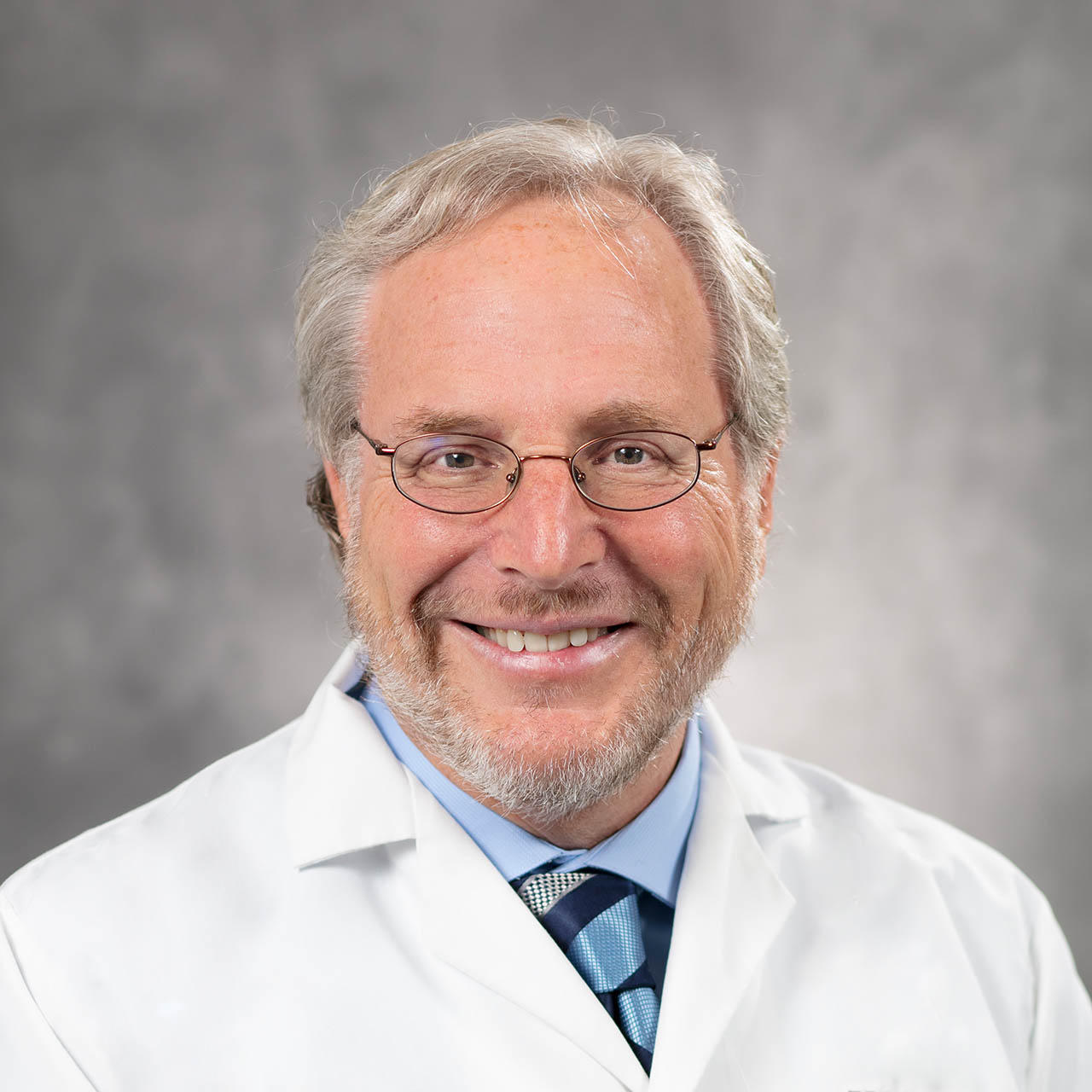
Gordon Saxe
First Name
Gordon
Last Name
Saxe
Credentials (Display)
MD, PhD, MPH
Institution Affiliation
Headshot Image
Image
Titles
Co-Director, Center for Integrative Nutrition
Director, Krupp Center for Integrative Research
Director, Krupp Center for Integrative Research
Research Areas
Nutritional epidemiology, plant-based dietary interventions, integrative oncology, cancer prevention and survivorship, natural products and immune function
Research Profile URL
Short Bio
A Preventive Medicine physician and nutritional epidemiologist, Dr. Saxe is an international leader in the 'food as medicine' movement, with pioneering research in whole-food, plant-based dietary interventions for cancer patients.
Bio
Dr. Saxe, a Preventive Medicine physician and nutritional epidemiologist, is Co-Director of the CIM Natural Healing & Cooking program, Course Director of the UC San Diego online certificate program in Integrative Nutrition, and an international expert in the "food as medicine" movement. His research includes whole-food, plant-based dietary interventions with cancer patients.
A Diplomate in Family Medicine, Dr. Saxe has spent much of his career studying how diet and lifestyle influence the course of chronic disease. As Principal Investigator on an NIH-funded clinical trial, he led pioneering research on diet and stress reduction in men with recurrent prostate cancer — examining whether a whole-food, plant-based diet paired with stress-management practices could slow disease progression, and helping to establish the biological mechanisms by which nutrition acts as a therapeutic tool in oncology.
His scholarship spans integrative oncology, cancer prevention and survivorship, and the role of natural products in immune function, with work appearing in journals including Integrative Cancer Therapies and the Journal of the American College of Nutrition. More recently, he has investigated mushroom-derived natural products as adjuncts to immune response, including a randomized clinical trial of polypore mushroom mycelia alongside COVID-19 vaccination.
Through his teaching and program leadership, Dr. Saxe trains physicians, dietitians, and the broader community in the principles of integrative nutrition — translating decades of research into the kitchen, where so much of health begins.
Show in directories
On
FoTv Vaccine Study
Page Sections
Preparing for the Next Pandemic Starts Now
Clinical research exploring immune response and vaccine support
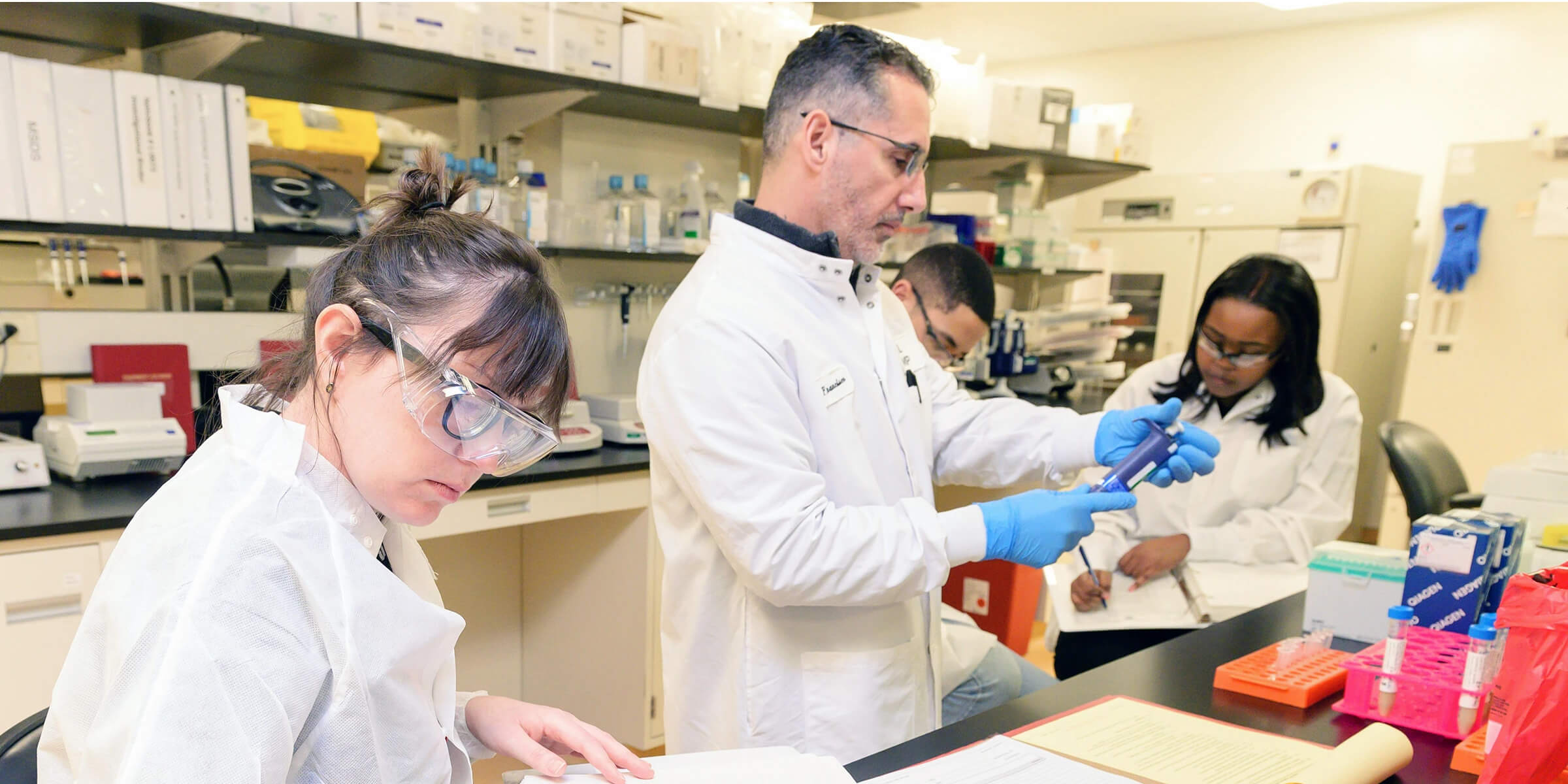
A randomized, double-blind clinical trial conducted by researchers at the University of California San Diego School of Medicine evaluated a mycelium-derived compound (FoTv) administered alongside COVID-19 vaccination.
The study explored whether this natural compound may be associated with differences in short-term vaccine side effects and antibody response in individuals not previously exposed to the virus.
Image
Contained
Left
Image aspect ratio
Wide (2:1)
Off
Default
Off
Why This Matters Now
As new infectious threats emerge, there is growing interest in approaches that are safe, well-tolerated, and scalable.
Mycelium-derived compounds are being studied for their potential role in supporting immune response, including in the context of vaccination and future public health challenges such as H5N1 ("bird flu").
Default
On
What This Suggests
This research contributes to a growing body of evidence exploring how naturally derived compounds may interact with immune response in the context of vaccination.
"We need affordable, rapidly scalable approaches that can strengthen vaccines without increasing side effects."
— Dr. Gordon Saxe, Principal Investigator
Further research is underway to better understand these findings and their potential implications.
Default
On
Study Overview
A randomized, placebo-controlled clinical trial followed 90 participants receiving vaccination.
Participants were assigned to receive either a mycelium-derived FoTv compound or a placebo over a 4-day period. Researchers evaluated side effects, safety, and immune response over time, including antibody levels measured up to six months.
Default
On
How the Study Was Conducted
[PD: Infographic asset TBD]
Default
On
About FoTv and Mycelium
What is FoTv?
FoTv is a compound derived from the mycelium of two fungal species: Agarikon (Fomitopsis officinalis) and Turkey Tail (Trametes versicolor). It is currently being evaluated in clinical research settings for its potential role in immune response.
What is mycelium?
Mycelium is the underlying network of fungal organisms. While mushrooms are the visible fruiting bodies, mycelium exists below the surface and produces a range of biologically active compounds. These compounds are being studied for their potential interactions with human immune systems.
Default
On
The Bigger Picture: MACH-19
The MACH-19 research initiative is exploring how mycelium-derived compounds may be studied in both prevention and treatment settings during pandemics.
Default
Dietary Interventions to Improve Vision
This study aims to determine whether increasing consumption of a Whole-Food Plant-Based (WFPB) diet can improve visual function in open-angle glaucoma (OAG) patients. Study outcomes are measured before and after a 6-month intervention including dietary counseling, online cooking classes, health coaching, and support group sessions.
Study Activities
The purpose of this study is to determine whether increasing consumption of a Whole-Food Plant-Based (WFPB) diet can improve visual function in open-angle glaucoma (OAG) patients. The 6-month intervention includes learning and adapting to the Whole Food Plant-Based diet through dietary counseling, online cooking classes, health coaching, and support group sessions. The diet consists of key plant foods and limits animal-based products and processed foods. The study activities also include three visits to complete assessments and questionnaires that address the study's clinical objectives.
Participant Benefits
Dietary orientation, expert nutrition counseling, and wellness health coaching; WFPB diet education materials and resources; pantry items and groceries to help with cooking classes, recipes, and manuals to learn and practice healthy eating.
Eligibility Criteria
Men or women ages 18-80 years with stable open angle glaucoma (OAG)
Additional Information
Additional study eligibility and participation requirements may be reviewed with the study coordinator. Don't hesitate to get in touch with us for screening
Sign Up Link
Primary Center
Nutritional Intervention for College Students with Depression
This pilot feasibility study examines whether an 8-week nutritional intervention is acceptable and practical for college students experiencing symptoms of depression. The study investigates how sleep, meal timing, and diet interact to influence mood and daily rhythms in a population vulnerable to circadian disruption. Findings will inform the design of larger clinical trials evaluating lifestyle-based interventions for depression.
Study Activities
Participants take part in a 10–12-week study that includes a 2-week baseline assessment followed by an 8-week dietary intervention. Participants are randomly assigned to follow either a Mediterranean diet alone or a Mediterranean diet combined with time-restricted eating. The Mediterranean diet emphasizes fruits, vegetables, whole grains, legumes, nuts, and healthy fats such as olive oil, while limiting red meat and highly processed foods. Study activities include completing questionnaires, wearing a sleep and activity monitoring device, and logging meals using a mobile app. The study includes four visits, two of which involve individualized dietary counseling delivered via telehealth, along with ongoing educational materials and optional additional support throughout the intervention period.
Participant Benefits
While direct benefits cannot be guaranteed, some participants may experience improvements in mood, sleep, or overall well-being. Participants will receive personalized dietary guidance from a registered dietitian and may receive up to $150 in compensation for completing study requirements.
Eligibility Criteria
Eligible participants are college students aged 18 years or older who are experiencing symptoms of depression.
Sign Up Link
Primary Center