Center for Mindfulness

Center Base Path
mindfulness

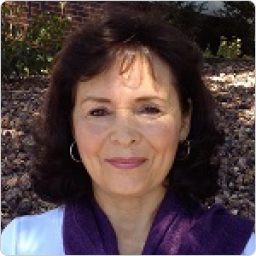
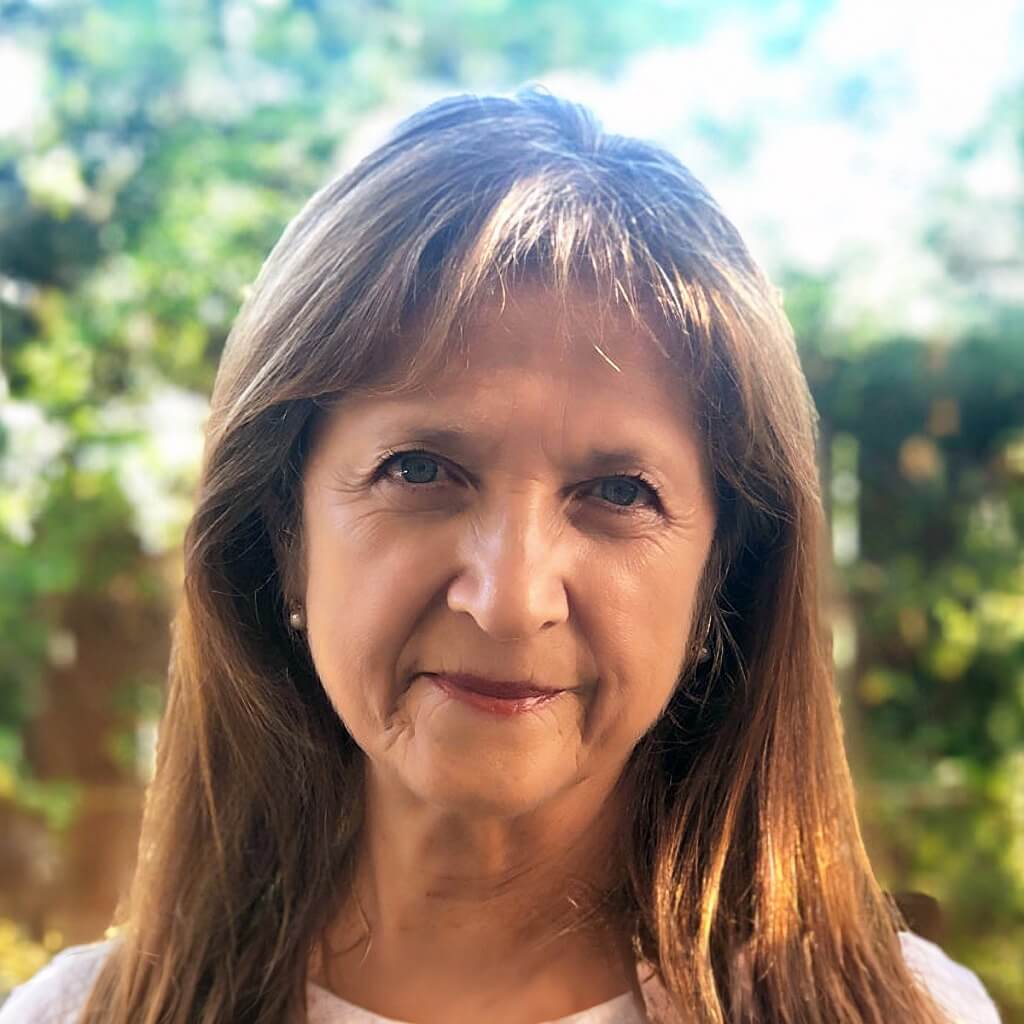
Lisette Atala-Doocy

First Name
Lisette
Last Name
Atala-Doocy
Institution Affiliation
Headshot Image
Image
Lisette Atala-Doocy
Titles
Certified MBSR Teacher
Organizational Roles
Short Bio

Lisette Atala-Doocy is a Certified Mindfulness-Based Stress Reduction teacher and co-founder of the Bilingual Center for Mindfulness, teaching mindfulness programs in English and Spanish.

Bio

Lisette Atala-Doocy is a Certified Mindfulness-Based Stress Reduction (MBSR) Instructor who also holds a Certification from The Mindfulness in Schools Education Project, a program originally from the UK. Furthermore, she received a Certificate of Attendance from the Omega Institute on Radical Acceptance: Pathway of Emotional Healing & Spiritual Freedom led by Tara Brach. She is Co-Founder of the Bilingual Center for Mindfulness, which promotes mindfulness courses in Spanish and English.

Lisette’s strong conviction about the benefits and power of mindfulness practice has inspired her to passionately promote these techniques within our community. She has been teaching MBSR, Mindful Yoga and Mindful Living in Spanish and English for several years in the San Diego – Baja California regions. The mindfulness programs she has led in various institutions include the School of Medicine, Baja California State University and a Scripps Clinic women’s group. She has been spearheading a Mindful-Living group for more than six years. In addition to having practiced meditation for over 23 years, Lisette has also studied classical music and linguistics while making significant contributions to the San Diego art world over the course of many years.

Show in directories
On

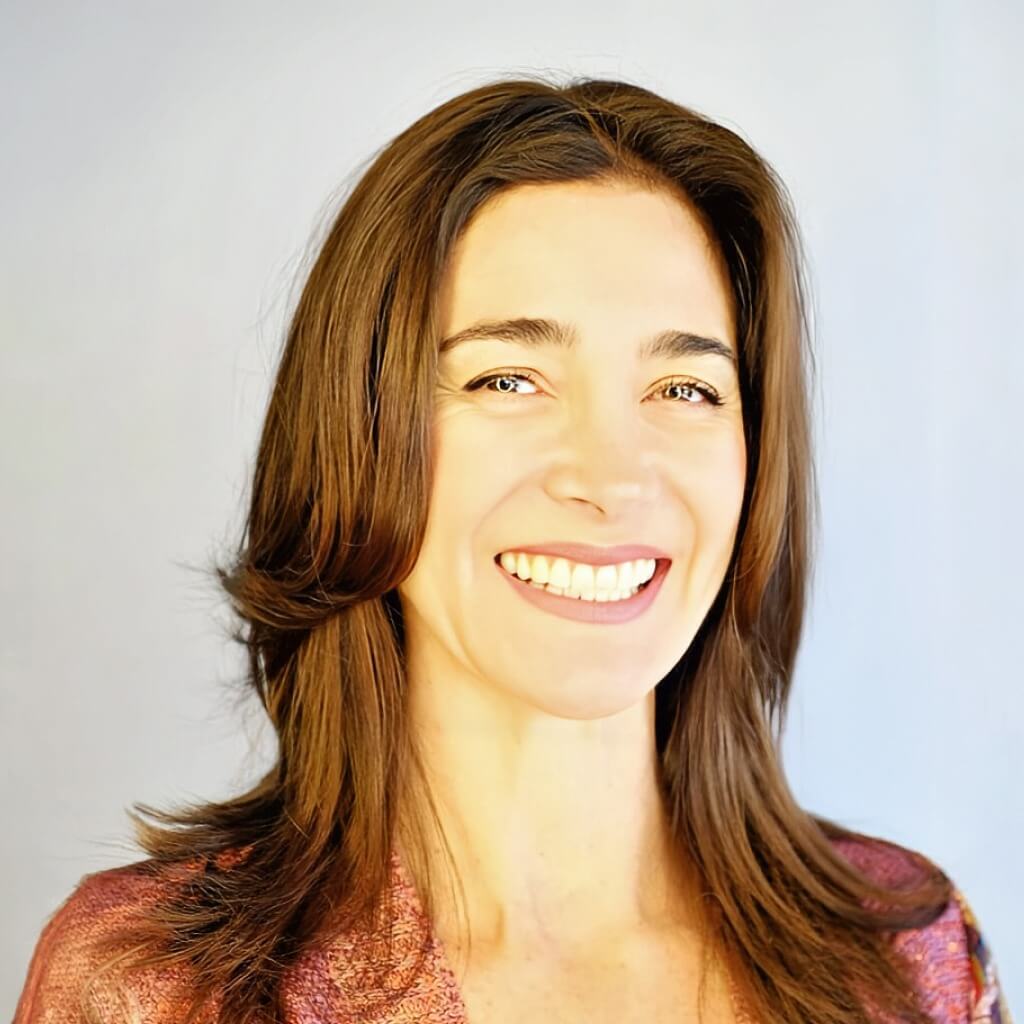
Mariana Ampudia

First Name
Mariana
Last Name
Ampudia
Institution Affiliation
Headshot Image
Image
Mariana Ampudia
Titles
Youth Program Teacher
Organizational Roles
Short Bio

Mariana Ampudia is a certified mindfulness instructor for kids and teens with training through the UCSD Center for Mindfulness and experience teaching school-based mindfulness programs and supporting mindful and compassionate parenting workshops.

Bio

Mariana is a certified Mindfulness Instructor for kids and teens. She took a mentoring and certification training program at the UCSD Center for Mindfulness. She also completed an intensive teacher training in the Mindfulness in Schools Education Project (MiSP .b program), a program launched in the UK, having obtained a certification to teach this dynamic, classroom-based program to middle and high school students. She is currently working to become certified to teach the Making Friends with Yourself Program, which is a Self-Compassion curriculum for teens based on the ideas and research of Kristen Neff and Christopher Germer taught at the Center for Self-Compassion. Since 2015, she has been working with the Youth and Family Programs Division at the UCSD Center for Mindfulness.

At this time, Mariana provides support in Mindful and Compassionate Parenting Workshops and will start offering training on this to parents in Mexico. Mariana strongly believes in the power of Mindfulness. This has inspired her to concentrate her studies on helping children and teens develop self-regulation, resilience and social-emotional skills that they can use for the rest of their lives. Her passion for teaching children and teens has inspired her to pursue further training in the Little Flower Yoga Program. This also motivated her to start a Stress Reduction Program where she applies her knowledge to teach in economically underdeveloped areas in Oaxaca, Mexico, where she has been teaching a multiage group of teens and pre-teens.

Mariana is a multicultural woman. She spent eight years living in Europe. This has helped her better understand how different societies work. Her native language is Spanish and she also speaks English, French and German. She spends her free time traveling and producing wine at her vineyards in Ensenada, Mexico with her husband.

Show in directories
On

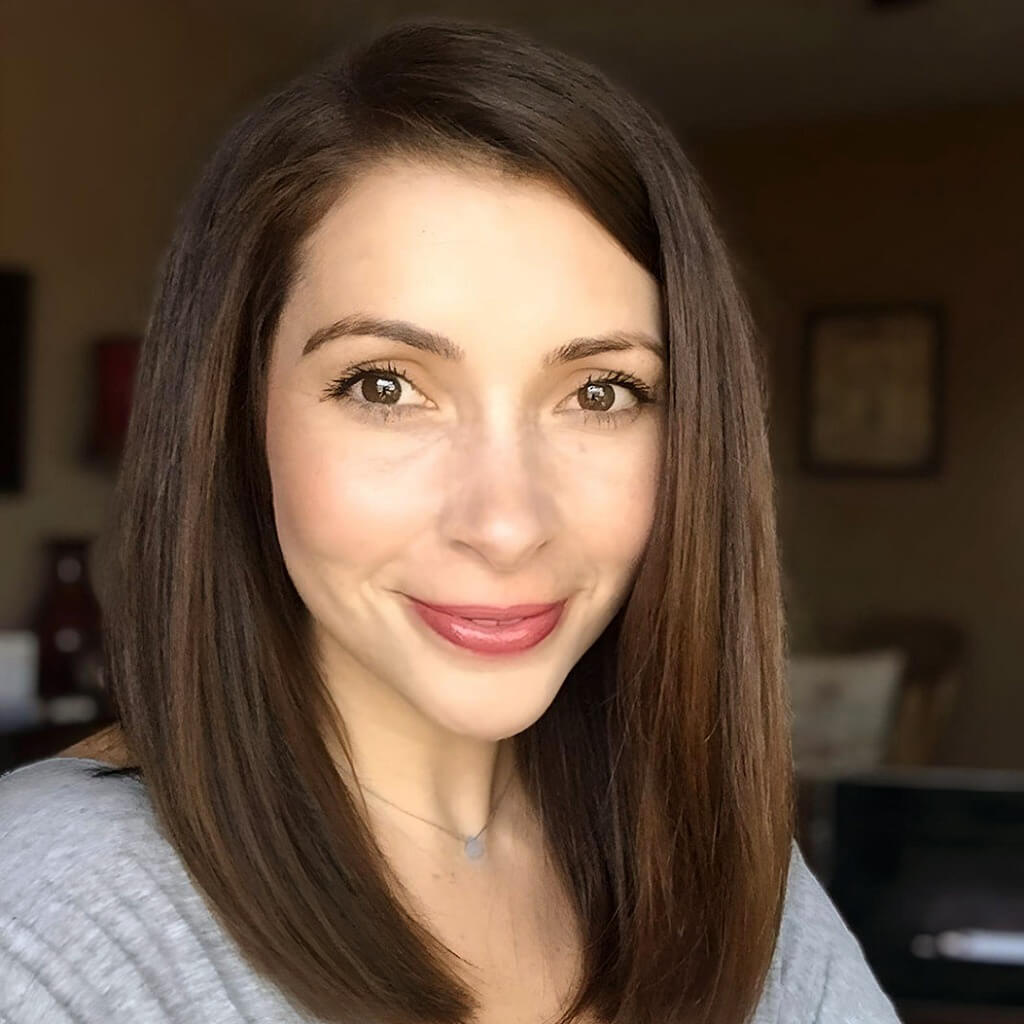
Megan Prager

First Name
Megan
Last Name
Prager
Credentials (Display)
MA
Institution Affiliation
Headshot Image
Image
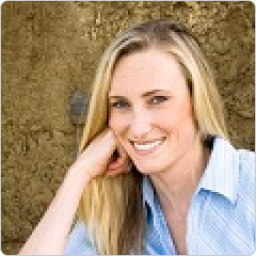
Megan Prager, MA
Titles
Compassion Programs Director, University Liaison, Certified MBSR Teacher, Certified MSC Teacher
Organizational Roles
Short Bio

Megan Prager, MA, is the Compassion Programs Director at the UC San Diego Center for Mindfulness and a certified teacher of Mindfulness-Based Stress Reduction and Mindful Self-Compassion. She develops and leads mindfulness and compassion-based programs for universities, healthcare systems, and organizations, with a focus on practical, evidence-based applications that support well-being and resilience.

Bio

Megan Prager, MA, serves as the Compassion Programs Director at the UC San Diego Center for Mindfulness and is the co-founder of Mindful Labs. She is a certified Mindfulness-Based Stress Reduction (MBSR) teacher, a certified Mindful Self-Compassion (MSC) teacher, and a certified Compassion Cultivation Training (CCT) instructor. Megan is also an adjunct faculty member at San Diego State University and a lecturer at the UC San Diego Rady School of Management.

In addition to teaching mindfulness-based programs, Megan specializes in designing and delivering mindfulness and compassion trainings for Fortune 500 companies as well as for educational, healthcare, and academic settings. She currently collaborates with universities to develop and teach mindfulness and compassion courses at the collegiate level. Across all of her work, Megan is driven by a clear mission: to empower individuals to cultivate compassionate awareness and recognize their capacity to shape their own well-being.

Show in directories
On

The Short Course in Mindful Self-Compassion

The Short Course in Mindful Self-Compassion (SC-MSC) is a 6-week adaptation of the empirically-supported 8-week Mindful Self-Compassion (MSC) program designed to begin the cultivation of the skills of self-compassion. SC-MSC was developed by Kristin Neff, PhD, the pioneering researcher in the field of self-compassion and Christopher Germer, PhD, a leader in the integration of mindfulness, compassion and psychotherapy. 

Most of us feel compassion for our close friends when they are struggling. What would it be like to receive the same caring attention from yourself when you needed it most? All that’s required is a shift in attention—recognizing that as a human being, you, too, are a worthy recipient of compassion. Self-compassion involves the capacity to comfort and soothe ourselves, and to motivate ourselves with encouragement, when we suffer, fail, or feel inadequate. Self-compassion is learned in part by connecting with our innate compassion for others and including ourselves in that circle of compassion. The practice of self-compassion also helps to grow and sustain our compassion for others. 

The SC-MSC program draws on the skills of mindfulness and focuses on developing the resource of self-compassion to enhance our capacity for emotional wellbeing.  Burgeoning research shows that self-compassion is strongly associated with emotional wellbeing, coping with life challenges, lower levels of anxiety and depression, healthy habits such as diet and exercise, and more satisfying personal relationships. It is an inner strength that enables us to be more fully human—more fully ourselves. 

Fortunately, self-compassion can be learned by anyone, even those of us who did not learn these skills as children. 

This program is designed for members of the general public, based on the values of equity, diversity, inclusiveness and belonging. Meditation experience is not necessary to participate in SC-MSC. All are welcome!  

Program activities include short talks, experiential exercises, group discussion, and home practices.  SC-MSC is an opportunity to explore how we typically respond when difficulties arise in our lives and to learn tools for becoming a warm and supportive companion to ourselves.

Objectives
  • Articulate the basic theoretical underpinnings and research findings related to self-compassion
  • Develop and apply self-compassion practices to motivate themselves with encouragement rather than self-criticism
  • Develop the capacity to contend with challenges and difficulties through awareness of self-kindness, common humanity and mindfulness.
  • Apply core self-compassion practices into daily life
Continuing Education
Continuing Education Credits:

CE Credits require an additional $30 fee - paid for before the start date of the program. You must attend all sessions in order to receive the CE certificate.

Continuing Education Credits are awarded in the following categories: American Psychological Association (APA) and Board of Registered Nursing (BRN).

Psychologists

UC San Diego Center for Mindfulness is approved by the American Psychological Association to sponsor continuing education for psychologists. The UC San Diego Center for Mindfulness maintains responsibility for this program and its content. 6.0 CE credit.

California Licensed MFTs, LPCCs, LEPs, LCSWs

This activity is an approved continuing education program by the American Psychological Association. Credit hours may be applied to your license renewal through the California Board of Behavioral Sciences. 6.0 CE credit.

Nurses

UC San Diego Center for Mindfulness is approved by the California Board of Registered Nursing to sponsor continuing education. Provider Number CEP16351. 7.0 contact hours.

Cancellation Policy

A refund (minus your $50 non-refundable/non-transferable deposit) will be made for cancellations submitted in writing up to 7 days prior to the event start date by emailing mindfulness@ucsd.edu. No refunds will be allowed within 6 days of the event start date.

Please be aware that the registration fee, deposits, and funds are non-transferable to other programs.

In the unlikely event that the course is cancelled, UC San Diego Center for Mindfulness is responsible only for a full refund of the registration fee. In regards to the In-Person Programs, the center is not responsible for any refunds to transportation, hotel accommodations, or any miscellaneous expenses.

The refunds are processed in the same method as the payments were submitted (unless past 180 days).

Contact Email
mindfulness@ucsd.edu
Primary Center
Price
$375
Pricing Details
EARLY BIRD RATE: $350 (up to 30 days before the start date)

UC San Diego Students/Employees may take the course for $350 ($325 if paid in full 30 days in advance).
Audience Type
Program Summary
A 6-week online course introducing the core skills of self-compassion to build emotional resilience, reduce anxiety and self-criticism, and strengthen well-being and relationships.
Use phased schedule
Off
Program Session
Sundays, 1-2:30 PM PT
Enrollment requirement

CFM requires a minimum of 10 registrants. Programs with fewer than 10 will be canceled and fully refunded.

MBRP Landing


MINDFULNESS-BASED RELAPSE PREVENTION (MBRP) AT UC SAN DIEGO

An 8-week program combining mindfulness meditation with relapse prevention techniques to help people in recovery from substance use disorders, recognizing, managing discomfort, and maintaining a healthy lifestyle.

WHAT IS MBRP

MBRP is an evidence-based program integrating mindful meditation with cognitive-behavioral relapse prevention strategies. Designed for
individuals in recovery from substance use disorders, MBRP helps participants develop awareness for internal triggers, cravings, and automatic
behaviors, teaching them to respond skillfully rather than reactively.


Designed for clinicians and professionals, MBRP equips facilitators to lead structured group sessions supporting clients in developing awareness,
resilience, and healthy coping skills. By integrating mindfulness and relapse prevention, the program promotes long-term recovery and fosters
a mindful, balanced approached to life.


WHO SHOULD ATTEND?

Licensed Clinicians

  • Currently licensed in mental health discipline (eg., psychology, counseling, social work)
  • Seeking to expand clinical practice to include MBRP
  • Intention to deliver mindfulness based interventions directly

Clinical Trainees

  • Graduate students, interns, and supervised trainees planning on delivering MBRP in clinical settings
  • Researchers, administrators, or allied professionals
  • Interested in MBRP for professional development

Mindfulness Professionals

  • Maintaining a regular meditation practice
  • Established personal mindfulness practice
  • Committed to integrating mindfulness principles professionally

Eligibility Requirements

Applicants must meet the following criteria:

  • Advanced degree in a mental health–related field (e.g., psychology, social work, counseling), or current enrollment in clinical training.

  • Established personal mindfulness meditation practice, with prior training in Vipassana/Insight Meditation preferred.

  • Commitment to ongoing daily meditation practice.

  • Familiarity with cognitive-behavioral therapy (CBT) techniques.

  • Understanding of addiction models and experience working with substance use or addictive behaviors.

  • Experience facilitating group processes.

  • Attendance (prior or planned) at a teacher-led silent residential mindfulness retreat (5–10 days).


What are the benefits?

?️ Trigger Awareness

Identify internal and external cues that lead to cravings

? Impulse Control

Observe cravings without impulsive reactivity

? Distress Tolerance

Tolerate discomfort effectively and responding consciously

? Mindful Resilience

Apply mindfulness with cognitive-behavioral techniques

? Daily Awareness

Apply mindfulness to everyday activities and triggers

⚖️ Balance & Self-Care

Integrating mindful everyday living for long-term recovery

?️ Relapse Prevention

Integrating mindful everyday living for long-term recovery

?️ Mindful Maintenance

Plan for ongoing mindfulness practices and relapse prevention


Expectations & Requirements

Curriculum Exercises

Students enrolled in the MBRP course will learn mindfulness techniques through various exercises and practices. Here are some examples of exercises in the curriculum:

Experiential Learning
  • Mindfulness meditation, query and role-playing
Skills-Based Framework
  • Integrating mindfulness and cognitive behavioral relapse prevention strategies
Group-Based Training
  • Delivered in a cohort format with guided discussion and practice
Practice-Oriented
  • Emphasis on applying skills during and between sessions

Commitments

Participation in the MBRP Teacher Training requires a dual commitment: to professional clinical excellence and to sustained personal mindfulness practice. The training assumes that effective teaching emerges from lived experience, disciplined practice, and ethical responsibility to clients in recovery.

If accepted and enrolled, participants commit to:

  • Maintaining a daily mindfulness practice, including full participation in meditation, mindful movement, and retreat components.

  • Bringing professional readiness, including clinical training, familiarity with CBT and addiction models, and experience with group facilitation.

  • Engaging fully in experiential learning, including role-play, inquiry, teaching practice, and feedback integration.

  • Upholding ethical and culturally responsive standards in alignment with professional and CME guidelines.

  • Completing all training requirements, including attendance, required readings, and adherence to registration and payment policies.

  • Continuing ongoing development, including residential retreat participation and sustained personal practice beyond the training.

  • Mindfulness-Based Relapse Prevention for Addictive Behaviors: A Clinician’s Guide — Bowen, Chawla, Grow & Marlatt
  • Mindfulness-Based Relapse Prevention for Alcohol and Substance Use Disorders — Katie Witkiewitz, PhD; G. Alan Marlatt, PhD; Denise Walker, PhD

  • Mindfulness-Based Cognitive Therapy for Depression, Second Edition — Zindel V. Segal; J. Mark G. Williams; John D. Teasdale
  • Mindfulness and Psychotherapy — Germer C; Siegel RD; Fulton P (eds.)
  • Mindful Recovery — Bein & Bein
  • One Breath at a Time: Buddhism and the Twelve Steps — Kevin Griffin
  • The Mindful Brain — Daniel J. Siegel, M.D.
  • Full Catastrophe Living: Using the Wisdom of your Body and Mind to Face Stress, Pain and Illness — Jon Kabat-Zinn
  • The Wise Heart — Jack Kornfield, Ph.D.
  • Radical Acceptance — Tara Brach

UPCOMING PROGRAMS

Program Content Type Here


Continuing Education Credit

Psychologists:

  • Sponsored by UC San Diego Center for Mindfulness
  • 26.0 CE credits
  • APA-approved

Nurses:

  • Approved by California Board of Registered Nursing (Provider CEP16351)
  • 31.0 contact hour

FAQ

While you are asked to note specific food restrictions on your registration application, if there are any additional food or medical concerns we should be aware of please let us know of these in advance so we may assist you.

Check the “Schedule and Required Reading” page of the specific training you are registered to attend.

This training is taught in a retreat format, which means there is a great deal of mindfulness practice embedded in the training, and we want to reiterate that now so you are not surprised when you get here. The venue very much facilitates this format; we will meet, eat and be housed in a relatively secluded area. There are no other large groups planned in the center that week so it should be relatively quiet and secluded. The rooms are clean and comfortable, but not by any means luxurious. As you probably noted on the website, you will have a roommate. In most cases several of you will share a dorm-style bathroom nearby.

If it is at all possible, please bring a meditation cushion (zafu) and a yoga mat. We will have a few cushions but not enough to go around, so if you have one and can squeeze it into your luggage or bring it as a carry-on please consider doing so. It is always advisable to check the weather forecast prior to traveling, to help guide you in proper clothing choices.

The relatively remote location makes security a minor concern, but we do want people to know that with shared sleeping quarters and very limited availability of keys to lock rooms, we highly recommend leaving valuable items at home to reduce the possibility of anything being lost or stolen. Certainly some of us will have vehicles where such items can be secured if this is necessary.

The retreat center is often booked both right before and right after our training, so arriving early or staying an extra night or two after the retreat is over is not likely to be a possibility. You can of course arrange to stay at lodging near the retreat center if you would like to extend your stay. Contact us directly at mindfulness@ucsd.edu to make such arrangements.

See our LOCATIONS page for details about travel to the retreat centers and preferred airports. The UCSD Center for Mindfulness will set up a Ride Share Bulletin Board in coordinating shuttle rides for those arriving by air at local airports.

Please do not expect consistent or reliable wireless internet service at the retreat center. Because of the retreat nature of the training, it is advisable to leave your computer at home; however, we recognize that computer use may sometimes be necessary. Most cellular phones will work in this location. That said, there will be limited opportunities to use them. We recommend informing anyone who may need to contact you about these limitations in advance.

We will begin checking people into the retreat at 1:00 pm on the first day of the training. It may be possible to arrive before 1:00 pm and have access to your room; however, we ask that you plan to arrive no later than 5:00 pm so we can begin with the full group in attendance at dinnertime. The retreat will conclude by 1:00 pm on the last day, so please plan your travel accordingly. While circumstances may arise that require leaving earlier than noon on the final day, we strongly urge you to avoid doing so if at all possible.

6-Week Mindful Performance and Resilience @ Work

The UC San DIego Center for Mindfulness offers a transformative 6-week online program designed specifically for workplace professionals in both nonprofit and for-profit organizations. The Mindful Performance and Resilience @ Work program equips participants with practical tools to combat burnout and restore balance in their professional and personal lives.

Through highly experiential, interactive sessions, you'll learn to sharpen focus and manage distractions, and break free from autopilot reactions to make goal-aligned decisions.

With self-awareness, you can recognize your limiting judgments and cultivate curiosity to shift from a fixed mindset to one of growth and innovation.

Develop self-compassion and empathy for yourself and colleagues. Learn strategies for having more mindful, compassionate conversations that enhance workplace relationships.

Grounded in neuroscience and designed for immediate application, this program empowers you to build sustainable resilience and perform at your best while maintaining well-being.

Objectives

At the completion of this activity, participants should be able to:

  • Session 1: Strengthen Focus & Awareness Learn the science of mindfulness and practical techniques to manage distractions, reduce multitasking, and enhance attention in high-demand environments.
  • Session 2: Move from Autopilot to Intentional Action. Recognize automatic patterns, clarify your values and goals, and make conscious decisions aligned with what matters most.
  • Session 3: Shift Perspective & Reduce Bias Cultivate curiosity over judgment, recognize unconscious biases, and develop a growth mindset that fosters innovation and collaboration.
  • Session 4: Build Self-Compassion & Empathy Practice treating yourself with kindness during challenges and extend genuine compassion to colleagues and team members.
  • Session 5: Communicate with Mindfulness & Compassion Develop skills for clear, empathetic communication that strengthens relationships and navigates difficult conversations effectively.
  • Session 6: Integrate Practices into Daily Work Life Create a sustainable personal plan to maintain mindfulness and resilience practices in your everyday work routine.
Cancellation Policy

A refund (minus your $50 non-refundable/non-transferable deposit) will be made for cancellations submitted in writing up to 7 days prior to the event by emailing mindfulness@health.ucsd.edu. No refunds will be allowed within 6 days of the event start date.

Please be aware that the registration fee, deposits, and funds are non-transferable to other programs.

In the unlikely event that the course is cancelled, UC San Diego Center for Mindfulness is responsible only for a full refund of the registration fee. In regards to the In-Person Programs, the center is not responsible for any refunds to transportation, hotel accommodations, or any miscellaneous expenses.

The refunds are processed in the same method as the payments were submitted (unless past 180 days).

Contact Email
mindfulness@ucsd.edu
Primary Center
Price
$375
Pricing Details
EARLY BIRD RATE: $350 (up to 30 days before the start date)

UC San Diego Students/Employees may take the course for $350 ($325 up to 30 days before the start date)
Audience Type
Program Summary
A 6-week online program for workplace professionals offering practical mindfulness tools to reduce burnout, sharpen focus, strengthen resilience, and improve workplace relationships.
Use phased schedule
Off
Program Session
Thursdays, 5–6 PM PT
Enrollment requirement

CFM requires a minimum of 10 registrants. Programs with fewer than 10 will be canceled and fully refunded.

Helen Hyun-Chung Kim Profile

First Name
Helen
Last Name
Kim
Institution Affiliation
Headshot Image
Image
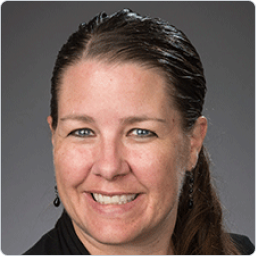
Helen Hyun-Chung Kim
Titles
Certified MBSR Teacher, Certified MBCT Teacher
Organizational Roles
Short Bio

Helen Hyun-Chung Kim is a Certified MBSR and MBCT teacher and former psychiatrist. She brings deep compassion and clinical insight to her mindfulness teaching, supporting healing, awareness, and self-discovery.

Bio

Helen Hyun-Chung Kim is a Certified Mindfulness-Based Stress Reduction and Mindfulness-Based Cognitive Therapy teacher. In her previous life she was a board-certified psychiatrist in Korea for 15 years, serving underserved communities. During that time she witnessed profound suffering in her patients and felt drawn toward mindfulness and self-compassion as paths toward healing.

With guidance from founding director Dr. Steve Hickman, Helen joined UC San Diego’s Center for Mindfulness, where she studied a range of mindfulness-based programs with many respected teachers. Through this journey she developed a grounded foundation rooted in awareness, acceptance, ease, and compassion.

Helen is committed to sharing what she has learned with others on their own paths of healing and self-discovery, offering a warm, steady presence shaped by both clinical experience and contemplative practice.

Show in directories
On

Cheryl Shah

First Name
Cheryl
Last Name
Shah
Institution Affiliation
Headshot Image
Image
Cheryl Shah
Titles
Workplace Program Co-Director, Certified MBSR Teacher, Certified MSC Teacher
Organizational Roles
Short Bio

Cheryl Shah is a Certified MBSR and MSC teacher and Workplace Program Co-Director with more than 20 years of corporate leadership experience. She brings mindfulness and self-compassion into real-world professional settings, helping individuals build resilience, clarity, and balance.

Bio

Cheryl has over 20 years of finance and corporate experience in leadership roles, working in a high-demanding career while raising two daughters. The daily stress she faced led her to conclude there must be a better way to live and work. She witnessed firsthand the negative impacts of long work hours, stress, and pressure on individuals and the emotional and mental pain suffered in the workplace.

Her extensive professional background informs her teaching, making her an accessible and compassionate guide who translates mindfulness and compassion into language that feels relevant and practical.

Cheryl first discovered meditation in college when her wandering mind created difficulties in her studies. She later learned about mindfulness through Mindful Based Stress Reduction (MBSR) in 2005 and pursued Mindful Self-Compassion (MSC) in 2010. She attended a 10-day silent Vipassana retreat in Joshua Tree in 2013 and continues retreat practice annually.

She embodies mindfulness and self-compassion through daily practice, emphasizing the power of pausing to respond with intention. Cheryl ultimately left her finance career to launch Simply Pause, supporting others in changing their relationship with stress and cultivating wiser, more compassionate lives.

Show in directories
On

Mindful Performance Enhancement, Awareness & Knowledge (mPEAK)


An 8-week mindfulness training course designed to help individuals achieve personal and professional goals through enhancing focus, resilience, and performance. mPEAK may be right for you if you are:

  • an athlete or performer
  • a business or organizational professional
  • a healthcare worker or first responder
  • seeking tools for managing stress and pressure
  • interested in applying mindfulness to peak performance

WHAT IS MPEAK?

The mPEAK program is built around latest brain research and aims to enhance mindfulness through established and empirically supported practices and exercises, tailored to fit the needs and desires of a team, organization or individual. Mindfulness is effective precisely because it is a way of being and relating to all aspects of life, rather than a specific technique or tool for a particular goal. It is built on the foundation of Mindfulness-Based Stress Reduction (MBSR) which you can learn more about here, and integrates mindfulness practices with performance science to support optimal performance, “flow,” and sustained well-being.

The standard mPEAK program includes: An intensive 3-day training, six weeks of virtual integration sessions, group dialogue, guided practices, and applied exercises. The curriculum may be customized for teams, organizations, or specific professional settings.


TESTIMONIALS

mPeak is grounded in:

  • The empirically supported MBSR program
  • Current neuroscience research regarding optimal performance
  • Collaboration with the US National BMX Cycling Team in 2014, UC San Diego neuroscientists Drs. Lori Haase and Martin Paulu, and the UCSD Center for Mindfulness Founding Director, and former Managing director.

“I went for a mountain bike ride in the pouring rain and focused on what I was feeling: the rain on my skin, my breath ,the cold, the burn in my legs. Once I acknowledged it, it began to fade. I focused on each pedal stroke and steady climb instead of worrying about the next hill or how far I still had to go.”

“On days when I feel unbeatable, there’s a heightened awareness of everything around me. I’m more in tune with my body. When that happens, I don’t worry about anything, just what I’m feeling in the moment. That focus allows me to trust myself completely and perform without hesitation.”

“A huge benefit of mPEAK was learning to be more present in competition and daily life. I worry less and take the time I need to decide. In racing there’s no room for hesitation, and being present has helped me make better moves on the track. I notice when my mind wanders and bring it back calmly.”


COURSE OBJECTIVES

Pillar One

Inhabiting Your Body and Rooting into Presence

Participants develop mindful awareness of the body as the foundation for attention, including breath, physical sensations, and movement.

Pillar Three

Dancing with pain and working with difficulty

Participants learn to relate skillfully to pain, fear, stress, and failure, using mindfulness as a grounding resource rather than avoidance.

Pillar Two

Getting out of your own way and Letting go

This section addresses challenges such as mind-wandering, unhelpful thinking patterns, and performance-related “stories” that interfere with focus.

Pillar Three

Pitfalls of Perfection and the Glitch in goals

Participants develop mindful awareness of the body as the foundation for attention, including breath, physical sensations, and movement.


Program content goes here


FAQ

A refund of your registration payment (minus your $100 non-refundable/non-transferable deposit) will be made for participants who withdraw prior to the start of the 1st class by emailing mindfulness@health.ucsd.edu.

If you decide to cancel after the 1st session and before the 2nd session starts, 50% of your registration payment will be refunded. No refunds will be made after the 2nd session starts.

Please be aware that the registration fee, deposits, and funds are non-transferable to other programs.

In the unlikely event that the course is cancelled, UC San Diego Center for Mindfulness is responsible only for a full refund of the registration fee. In regards to the In-Person Programs, the center is not responsible for any refunds to transportation, hotel accommodations, or any miscellaneous expenses.

The refunds are processed in the same method as the payments were submitted (unless past 180 days).

In the unlikely event that the course is cancelled, UC San Diego Center for Mindfulness is responsible only for a full refund of the registration fee. In regards to the In-Person Programs, the center is not responsible for any refunds to transportation, hotel accommodations, or any miscellaneous expenses.

The refunds are processed in the same method as the payments were submitted (unless past 180 days).

UC San Diego Employees may take the course for $845 (or $795 if you pay in full 30 days prior to the start of class).

UC San Diego Athletics Employees and Students may take the course for $ 500. Please email us at mindfulness@health.ucsd.edu.

First Responders / Law Enforcement Professionals may take the course for $ 500. Please email us at mindfulness@health.ucsd.edu.

In order to make this program available to interested organizations and individuals outside of the San Diego area, we will offer the program as a package to sponsoring organizations, companies and teams in a package similar to its original form. Our trainers will come to your location for the 3-day intensive training retreat and then all participants will be eligible to attend six weekly 60-minute online video follow-up sessions hosted by one or more of those trainers.

Please contact us at mpeak@ucsd.edu for information about scheduling, pricing, and adaptations of the program to suit your particular needs. We welcome inquiries regarding disseminating the mPEAK program within a larger organization that may entail a “train the trainers” model and ongoing support of trainers in various ways.

If you are interested in receiving more information about how you might arrange for our trainers to offer the mPEAK program in your organization or geographical area in an intensive format or to explore options for professional training so that you or others can teach the program, please contact us at mindfulness@health.ucsd.edu or follow the link below for more information.

mPEAK Coaching will introduce you to all the formal mindfulness practices offered in the mPEAK course as well as the specific tools and exercises that are most relevant to your personal performance goals. For information on mPEAK Coaching packages go to the  mPEAK Coaching page.

MBCT Landing Page


Mindfulness-Based Cognitive Therapy (MBCT) at UC San Diego

An evidence-based, 8-week program that combines mindfulness practice with cognitive therapy skills to help individuals reduce depression and anxiety relapse and build resilience in daily life.

Designed for individuals seeking a structured, research-supported approach to relapse prevention and long-term mental health.


What is MBCT?

Integrated Approach

This program blends mindfulness meditation with cognitive therapy techniques to help you notice and disengage from habitual thought patterns that fuel stress, anxiety, and low mood.

By combining awareness and skillful response, MBCT supports lasting emotional resilience rather than quick fixes.

Eight-Week Program

Delivered over eight structured weeks, this experiential course builds skills gradually through guided practices, reflection, and home exercises.

The extended format allows time to develop sustainable habits that support long-term well-being and relapse prevention.

Research-Supported Design

Mindfulness-Based Cognitive Therapy is a well-established, evidence-based approach shown to reduce depression, anxiety, and stress, and to be as effective as antidepressant medication in preventing relapse.

The program is grounded in decades of clinical research and developed by leading experts in mindfulness and psychology.


What you’ll learn and practice

Recognizing Thought Patterns

Learn to notice habitual thought patterns and mental reactions that can contribute to stress, anxiety, or low mood, without getting caught up in them.

Responding Instead of Reacting

Develop skills to pause and respond more intentionally to difficult thoughts and emotions, rather than reacting automatically.

Mindfulness Practices

Practice guided mindfulness exercises that build awareness of thoughts, emotions, and bodily sensations in the present moment.

Relapse Prevention Skills

Learn strategies to recognize early warning signs and support long-term mental health and resilience over time.


WHO MBCT is for

Who MBCT Is For                 

MBCT is designed for individuals who have experienced depression or anxiety and want structured tools to reduce relapse risk.

It is appropriate for people who are willing to engage in mindfulness practice and reflective exercises over time.

Participants should be comfortable working with thoughts and emotions in a group-based learning environment.

PBR Course Learning Objectives

MBCT is not a crisis intervention or a substitute for acute mental health treatment. It may not be appropriate for individuals seeking immediate symptom relief without ongoing practice.

Those currently experiencing severe or unmanaged mental health symptoms should consult a clinician before enrolling.

If you’re unsure whether MBCT is appropriate, we recommend speaking with a clinician or reviewing the FAQs below.


Instructors

Team Member Content Type Here


Upcoming Programs

Schedule Content Type Here


FAQ

MBCT is an evidence-based, 8-week program that combines mindfulness meditation with cognitive therapy to help people manage stress, anxiety, and low mood. It teaches practical skills to recognize unhelpful thought patterns, respond more skillfully to challenges, and reduce the risk of depressive relapse.

This course is ideal for individuals who experience ongoing stress, anxiety, low mood, or recurring negative thinking patterns. Participants are expected to attend at least 80% of sessions, engage in home practice, and are encouraged to participate in a daylong silent retreat to gain the full benefit of the program.

Yes. MBCT is supported by extensive clinical research and has been shown to be as effective as antidepressant medication in preventing depressive relapse. The program is led by the UC San Diego Center for Mindfulness and offers optional continuing education credits for psychologists, nurses, and licensed mental health professionals.