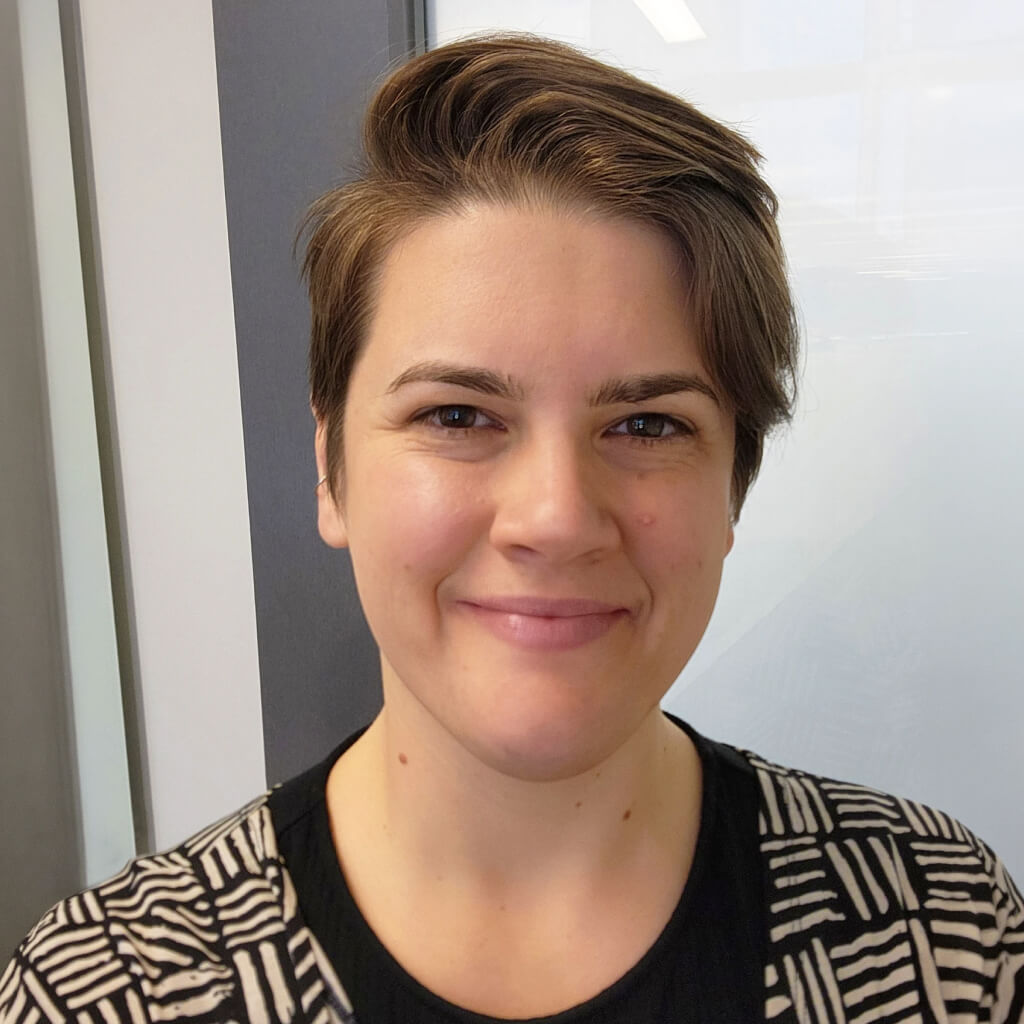
Laura Case

First Name
Laura
Last Name
Case
Credentials (Display)
PhD
Institution Affiliation
REACH Roles
Mentor
Scientist
Headshot Image
Image
Laura Case, PhD
Titles
Associate Professor, Department of Anesthesiology
Research Areas
Mechanisms of affective touch; chronic pain; brain imaging; massage and manual therapies; osteopathic manipulation, interoception; deep pressure; weighted blankets
Organizational Roles
Bio

Dr. Laura Case is an Associate Professor in the Department of Anesthesiology at UC San Diego. She received her PhD in Psychology and Cognitive Science from UC San Diego and completed a postdoctoral fellowship at the National Center for Complementary and Integrative Health (NCCIH). Dr. Case’s NIH-funded research uses brain imaging, pharmacologic manipulation, and sensory and behavioral testing to evaluate neural and psychological mechanisms involved in affective touch and pain perception. She is a co-I on the Neurons_MATTR U24 grant working to nucleate the field of research on mechanisms of touch and force-based therapies. She also founded a faculty peer mentoring program for UC San Diego Health Sciences and is passionate about building scientific culture that is creative, collaborative, and caring.
Show in directories
On

Ryan Wexler

First Name
Ryan
Last Name
Wexler
Credentials (Display)
ND, MS
REACH Roles
CIH Partner Institution
Faculty
Headshot Image
Image
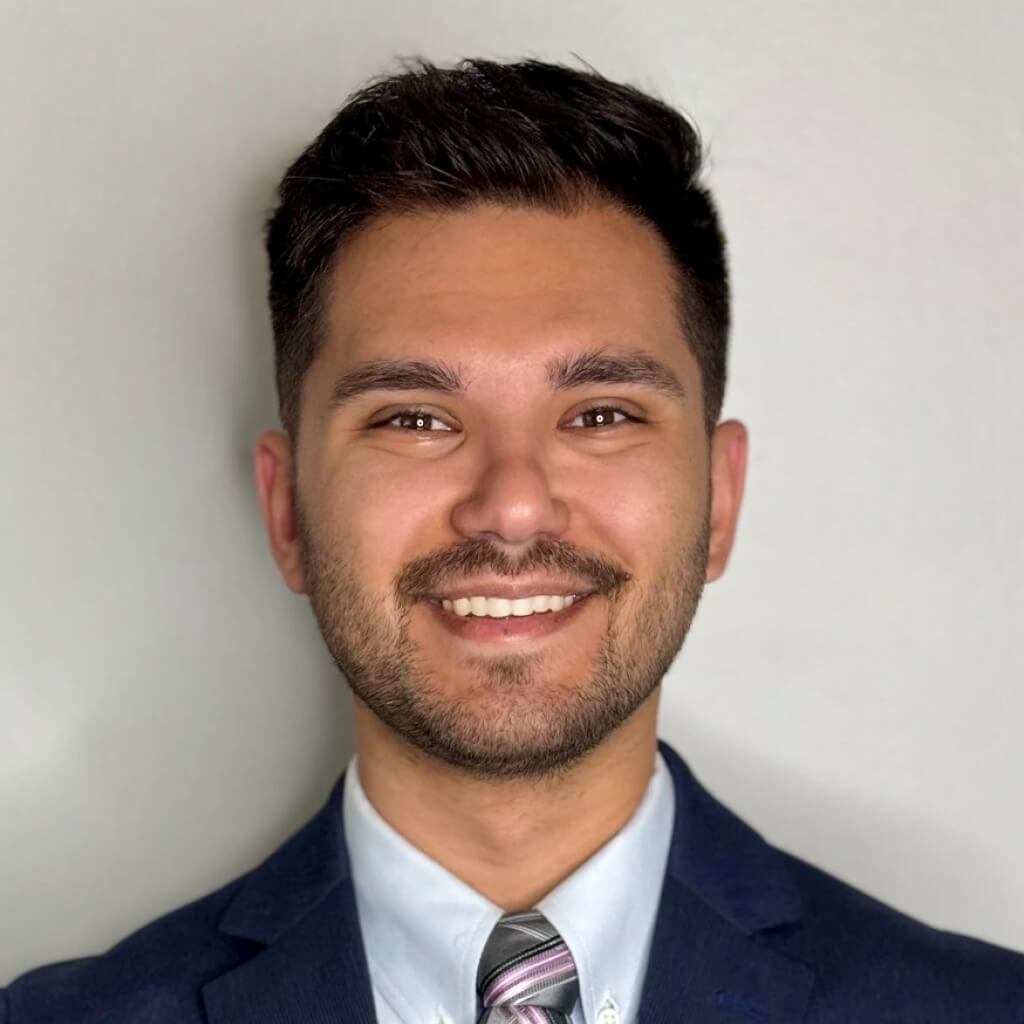
Ryan Wexler, ND, MS
Titles
Assistant Research Investigator
Research Areas
Naturopathy, pain medicine
REACH Partner Role
Bio

Ryan Wexler, ND, MSCR, is a naturopathic physician-scientist and Assistant Professor at the Helfgott Research Institute at the National University of Natural Medicine. His research focuses on developing and evaluating multicomponent, mind-body interventions for patients with chronic pain, with particular emphasis on conditions involving nociplastic pain and central sensitization, such as chronic back pain and lumbosacral radiculopathy. Dr. Wexler uses mixed methods to examine how mind-body interventions affect physical function and psychosocial outcomes – including motivation, autonomy, and self-efficacy. His work also utilizes objective assessments including inertial measurement units, quantitative sensory testing, and actigraphy. He is particularly interested in the potential of digital health tools to increase accessibility and scalability of mind-body therapies. His research centers community and patient engagement by integrating stakeholder feedback throughout the research process from intervention development to dissemination.

Show in directories
On