Clinical research exploring immune response and vaccine support
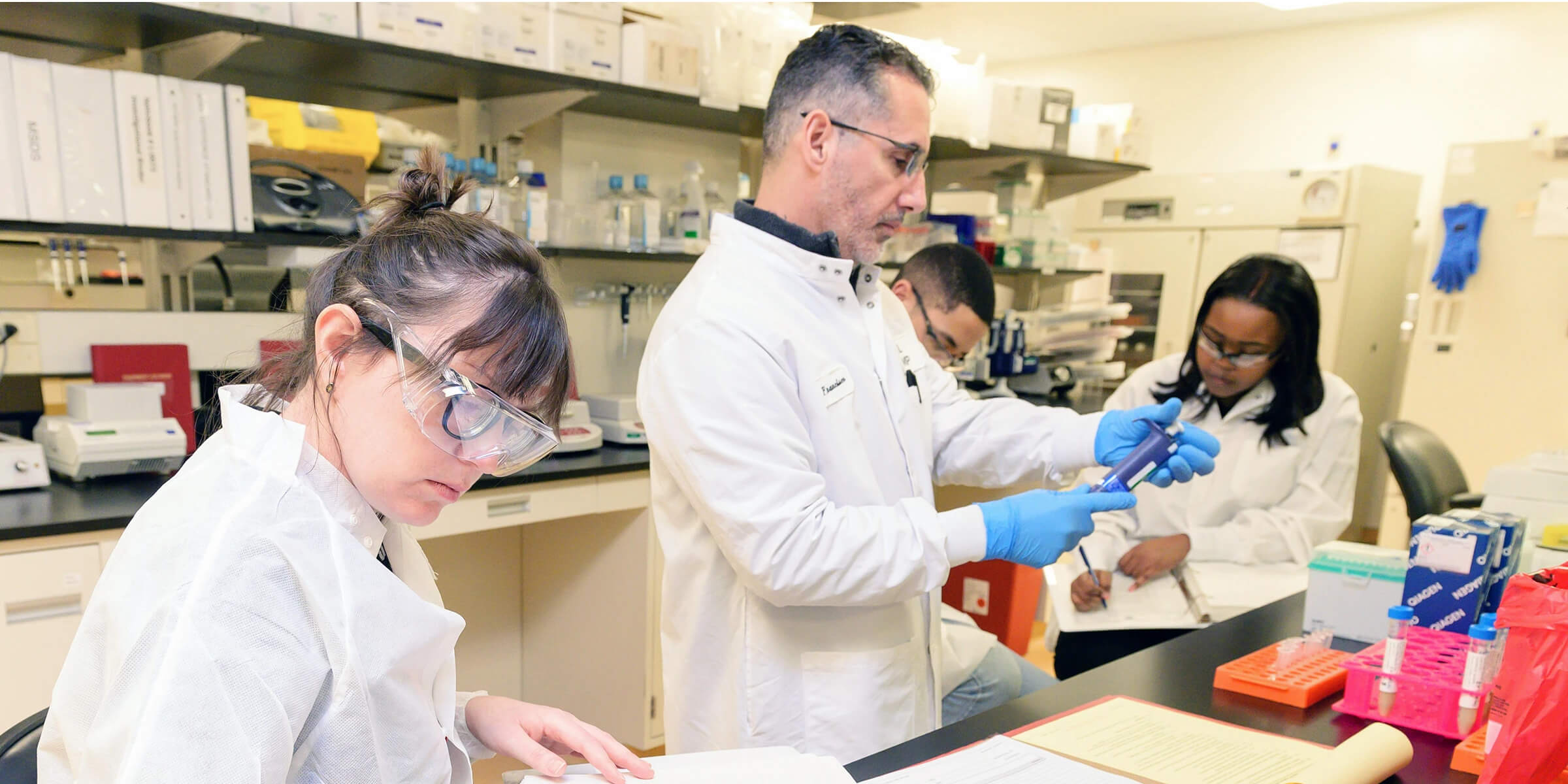
A randomized, double-blind clinical trial conducted by researchers at the University of California San Diego School of Medicine evaluated a mycelium-derived compound (FoTv) administered alongside COVID-19 vaccination.
The study explored whether this natural compound may be associated with differences in short-term vaccine side effects and antibody response in individuals not previously exposed to the virus.
As new infectious threats emerge, there is growing interest in approaches that are safe, well-tolerated, and scalable.
Mycelium-derived compounds are being studied for their potential role in supporting immune response, including in the context of vaccination and future public health challenges such as H5N1 ("bird flu").
This research contributes to a growing body of evidence exploring how naturally derived compounds may interact with immune response in the context of vaccination.
"We need affordable, rapidly scalable approaches that can strengthen vaccines without increasing side effects."
— Dr. Gordon Saxe, Principal Investigator
Further research is underway to better understand these findings and their potential implications.
A randomized, placebo-controlled clinical trial followed 90 participants receiving vaccination.
Participants were assigned to receive either a mycelium-derived FoTv compound or a placebo over a 4-day period. Researchers evaluated side effects, safety, and immune response over time, including antibody levels measured up to six months.
[PD: Infographic asset TBD]
What is FoTv?
FoTv is a compound derived from the mycelium of two fungal species: Agarikon (Fomitopsis officinalis) and Turkey Tail (Trametes versicolor). It is currently being evaluated in clinical research settings for its potential role in immune response.
What is mycelium?
Mycelium is the underlying network of fungal organisms. While mushrooms are the visible fruiting bodies, mycelium exists below the surface and produces a range of biologically active compounds. These compounds are being studied for their potential interactions with human immune systems.
The MACH-19 research initiative is exploring how mycelium-derived compounds may be studied in both prevention and treatment settings during pandemics.