
Chinese Medicine is an ancient system of medicine that has many applications in the modern world. By targeting the body's energy system, or "chi," clinicians seek to balance the body's structural and functional systems.
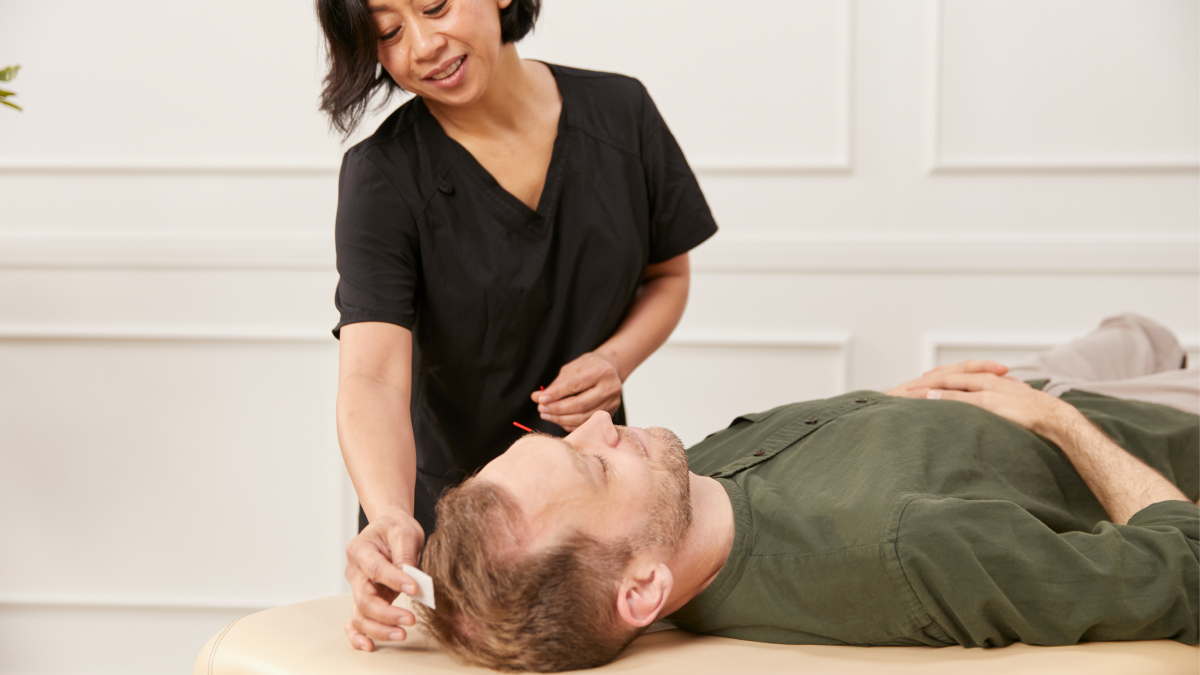
Acupuncture is a 3,000-year-old healing technique of Traditional Chinese Medicine. In 1997, the U.S. National Institutes of Health (NIH) documented and publicized acupuncture's safety and efficacy for treating a wide range of conditions. Acupuncture is now covered by many insurance policies and is used most broadly to relieve pain.
How Does Acupuncture Work?
Acupuncture improves the body's functions and promotes natural self-healing by stimulating specific anatomic sites — commonly referred to as acupoints. The most common method is the insertion of fine, sterile needles into the skin. Pressure, heat, or electrical stimulation may further enhance the effects. Other techniques include manual massage, moxibustion (heat therapy), cupping, and the application of topical herbal medicines and liniments.
Traditional Chinese Medicine describes the body in terms of two opposing forces: yin and yang. Energy called "qi" (pronounced "chee") flows along pathways called meridians. When this flow is blocked — like water behind a dam — it can lead to pain, loss of function, or illness. Acupuncture releases blocked qi and stimulates the body's natural healing response through the nervous, endocrine, immune, cardiovascular, and digestive systems.
What Happens During a Treatment?
Your acupuncturist will begin by reviewing your health history, then examine your tongue's shape, color, and coating, feel your pulse, and perform any additional physical assessments needed. Using these unique assessment tools, a proper treatment plan will be recommended for your particular condition.
You will lie comfortably on a treatment table while precise acupoints are stimulated across various areas of your body. Most people feel no or minimal discomfort as the fine needles are gently placed and retained for five to thirty minutes. During and after treatments, people commonly report feeling very relaxed.
How Many Treatments Will I Need?
The frequency and number of treatments differ from person to person. Some people experience dramatic relief in the first treatment. For complex or long-standing chronic conditions, one to two treatments per week for several months may be recommended. For acute problems, eight to ten visits in total is typical.
An individualized treatment plan — including the expected number of treatments — will be discussed during your initial visit.
Choosing the Right Acupuncturist
We've made it easy by hand-selecting the very best practitioners from the community to join our team at the UCSD Center for Integrative Medicine. Acupuncturist licensure is regulated at the state level — all of our acupuncturists are licensed by the State of California Acupuncture Board and have years of clinical experience.
The best way to discover if acupuncture is right for you is to schedule a visit at the location most convenient for you: Scripps Ranch, La Jolla, or Hillcrest.
Conditions Treated by Acupuncture
Hundreds of clinical studies show that acupuncture successfully treats conditions ranging from musculoskeletal problems (back pain, neck pain, and others) to nausea, migraine headache, anxiety, depression, insomnia, and infertility.
Proven Effective in Case-Controlled Clinical Studies
Conditions for which acupuncture has been shown to be an effective treatment.
- Allergic rhinitis (including hay fever)
- Biliary colic
- Depression (including depressive neurosis and depression following stroke)
- Dysentery, acute bacillary
- Dysmenorrhoea, primary
- Epigastralgia, acute
- Facial pain
- Headache
- Hypertension, essential
- Hypotension, primary
- Induction of labor
- Knee pain
- Leukopenia
- Low back pain
- Morning sickness
- Nausea and vomiting
- Neck pain
- Postoperative pain
- Rheumatoid arthritis
- Sciatica
- Sprain
- Stroke
- Tennis elbow
Limited but Probable Supporting Evidence
Conditions for which acupuncture may provide therapeutic benefit based on available evidence.
- Abdominal pain
- Acne vulgaris
- Alcohol dependence and detoxification
- Bell's palsy
- Bronchial asthma
- Cancer pain
- Female infertility
- Fibromyalgia and fasciitis
- Insomnia
- Labour pain
- Ménière disease
- Osteoarthritis
- Premenstrual syndrome
- Temporomandibular joint dysfunction
- Tobacco dependence
How Much Does Acupuncture Cost?
Insurance Coverage
Acupuncture is covered by many health insurance plans, but not all. If your plan covers acupuncture, our staff will bill your insurance company directly and you will be responsible for any required co-payments. If your plan does not cover acupuncture, you may still receive the service for a cash fee. We accept cash, checks, and all major credit cards.
Fee Schedule
| Treatment | Price |
|---|---|
| Acupuncture | $85 |
| Massage | $85 |