About CIH

Page Sections
About Centers for Integrative Health

Established in 2011, the UC San Diego Centers for Integrative Health supports whole-person health care guided by the mind-body-spirit connection. Our Centers foster innovative research, education, and clinical programs that have inspired an inside-out transformation of health care.

Image

Aerial view of an ocean wave breaking onto a sandy beach.
Contained
Left
Off

Administratively housed in the Department of Family Medicine, the Centers for Integrative Health articulate with every department and division across UC San Diego, have a presence at more than a dozen clinical locations across San Diego, and have acclaimed national and international programs. The Centers for Integrative Health include:

Lead
On
  • The Center for Integrative Medicine provides integrative physician consults, osteopathic manual medicine, acupuncture/Chinese medicine, massage, jin shin jyutsu, integrative nutrition, integrative shared medical visits, and mindful health coaching for more than 25,000 patient visits per year across 12 clinical locations and UC San Diego hospitals.
  • The Krupp Center for Integrative Research is one of the most robust integrative health research programs in the U.S. thanks to a generous gift from Richard N. Krupp (1930-2015). It supports and administers various independent research projects as well as practice-based research in the areas of integrative nutrition, natural medicine, lifestyle medicine, and integrative public health.
  • The Center for Mindfulness was among the first university-based centers around the world devoted solely to the teaching and study of mindfulness. The Center has more than 20 instructors teaching courses to more than 500 participants per year. It has also participated in numerous research projects and publications.
  • The Center for Integrative Nutrition houses state-of-the-art professional training, clinical care, and rigorous research in integrative nutrition and natural medicine. Services include personal healing through the use of food-as-medicine, targeted natural therapeutics, and the creation and management of dietary interventions for many high-profile research projects.
  • The Center for Integrative Education oversees integrative educational programs for medical students, residents and the community, continuing education for health professionals, and numerous outreach activities.
Default
CORK 2026 Poster Session

Call for Poster Session Abstracts

We invite you to submit your research abstracts for consideration for the CORK Poster Session.

At CORK 2026, we want you to actively participate by sharing your own work with the audience. Whether you are delving into innovative applications, reviewing literature, or unveiling new mechanistic understandings of OMM/OMT, we want to hear from you. 

We welcome submissions on a wide range of topics related to OMM/OMT research, including but not limited to:

  • Original research
  • Quality improvement (QI)
  • Practice-based research
  • Case reports
  • Education strategies
  • Population health and health policy
  • Innovations in tools and technologies for OMM research

Accepted posters will be displayed in the breakout rooms throughout the conference on September 9–10, 2026.

There will be one dedicated poster viewing and judging session on September 9, 2026, from 5:00–6:00 p.m. PST.

At least one author must be present during the poster session to guide the audience through their work, answer questions, and engage in discussion.

Abstracts will be reviewed by the Abstract Review Committee. 

Thanks to the generosity of the Osteopathic Cranial Academy Foundation, submitting authors of top abstracts will receive a travel grant to support travel and accommodations for presenting at CORK 2026.


Important Dates

  • Submission deadline: June 15, 2026 July 18, 2026, at 11:59 p.m. PST
  • Notification of decisions: Anticipated late July 2026
  • Event dates: September 9–10, 2026
  • Poster session: September 9, 2026, from 5:00–6:00 p.m. PST

Abstract Guidelines

  • Abstract text is limited to 375 words. The word count includes section headings but does not include the title or author names.
  • Submissions must not have been previously published in any form.
  • Abstracts must not be submitted to other past or upcoming meetings.
  • Content must be new and original or include at least 50% new data if previously presented elsewhere.
  • Research must involve Osteopathic Manipulative Medicine or Treatment (OMM/OMT) or contribute to understanding the mechanisms, principles, or clinical effects that inform osteopathic manual care.
  • Abstracts should clearly state the background and research question, data and methods, results, and conclusions or significance.
  • Please include IRB or IACUC information if applicable.
  • For student or physician-in-training authors, an attending physician or research mentor must be included as an author.
  • Do not include acronyms, footnotes, or references in the abstract. Abbreviations must be spelled out on first use.

Abstracts not accepted for presentation will remain confidential and will not be disclosed outside of the CORK Abstract Review Committee.

Submit a Poster Abstract

Paragraph Type Test Page

Page Sections
On
Why mindfulness matters

Mindfulness is the practice of paying attention to present-moment experience with curiosity and without judgment. Research shows that regular mindfulness practice can improve focus, emotional regulation, and resilience. At the Center for Mindfulness, our programs translate decades of scientific research into practical skills that participants can integrate into daily life, work, and relationships.

Default
On
Why mindfulness matters

Mindfulness is the practice of paying attention to present-moment experience with curiosity and without judgment. Research shows that regular mindfulness practice can improve focus, emotional regulation, and resilience. At the Center for Mindfulness, our programs translate decades of scientific research into practical skills that participants can integrate into daily life, work, and relationships.

Callout
Turquoise
On
Why mindfulness matters

Mindfulness is the practice of paying attention to present-moment experience with curiosity and without judgment. Research shows that regular mindfulness practice can improve focus, emotional regulation, and resilience. At the Center for Mindfulness, our programs translate decades of scientific research into practical skills that participants can integrate into daily life, work, and relationships.

Lead

Template Reference


For gathered

Upon all morning them seasons isn't whose, set set void greater fill form it above itself man god, they're darkness have whose earth.

Make fruitful bring open can't spirit thing were also lights brought, from all. Fourth won't lights divided one. So saw man sea seed be.

Void they're good moveth him meat beast every it. Night sixth male own first said creepeth won't face they're sea fifth lights together gathering, behold, give. Light In may good seasons living multiply upon lesser days she'd life above firmament fruitful in the greater were.

Contact Form

CIH Brand Guidelines


To see examples go tohttps://brand.ucsd.edu/index.html 

1. Logo & When to Use It

  • Primary Health logo – for all consumer‑facing communications (patient brochures, website pages, digital ads, signage).
  • Clinical‑only logo – use only for internal clinical documents or when the audience is strictly patients of the health system.
  • Do not alter the logo: no recolouring, stretching, or adding effects. Keep the clear‑space equal to the height of the “U”.
  • Placement – top‑right on web pages, top‑left on printed flyers, and always visible on the first and last slide of videos.
  • Logos can be found here: https://brand.ucsd.edu/logos/health-sciences-logos/index.html 

2. Color Palette

Color


PMS


Hex


Use 


Health Blue


 2767 


 #182B49 


Logo, headings, key call‑to‑actions UC San Diego Health Sciences Logos


Health Gold


 1245 


 #C69214 


Accent elements, highlights UC San Diego Health Sciences Logos


All other colors may be used as accents but must meet WCAG 2.1 contrast standards.

3. Typography

  • HeadlinesBrix Sans (preferred). If unavailable, use Myriad or any clean sans‑serif.
  • Body copySource Sans (regular).
  • PDF/print templates – follow the same fonts; do not substitute with decorative typefaces. UC San Diego Health Sciences LogosVideo

4. Tone & Voice (the five brand tone words)

  • Courageous – bold, forward‑thinking.
  • Sincere – authentic, patient‑centered.
  • Consequential – focus on impact to health outcomes.
  • Agile – innovative, responsive.
  • Collective – teamwork across clinicians, researchers, and patients.

Every piece of copy should reflect these attributes, using an active first‑person voice when possible. Brand ToneBrand Communication

5. Graphic Elements

  • Trident pattern – optional background texture; keep low‑contrast and never replace the logo.
  • Health‑specific icons – use the approved set from the Health brand portal (Pulse).
  • Photography – choose images that show diverse patients, staff, and campus facilities; keep the focus on care and discovery. UC San Diego Health Sciences LogosGraphics

6. Templates & Assets

  • Pulse Intranet (requires AD login) – download letterhead, email signatures, PowerPoint, and flyer templates that already contain the correct logo, colors, and fonts. Health Sciences Logos and Branding Mater...
  • Canva & Google Templates – pre‑approved Health versions are available in the “Health” section of the brand portal.
  • Sample placeholders (replace with actual files):
  •  
  • All external‑facing health‑system materials should be submitted for review.
  • Contact: Email cihweb@ucsd.edu if you have any questions or would like your materials reviewed.
  • Turn‑around: typically 3 working days; allow extra time for revisions.

8. Key Do‑And‑Don’ts

  • Do use the health logo for any patient‑oriented content.
  • Do keep the logo in its approved blue/gold colors.
  • Do follow the tone words in all messaging.
  • Don’t combine the health logo with the main UC San Diego seal or athletics marks.
  • Don’t modify typography or add drop‑shadows to the logo.

Lauray MacElhern

First Name
Lauray
Last Name
MacElhern
Credentials (Display)
MBA
Institution Affiliation
REACH Roles
Leadership
Lead Administrator
UCSD REACH Team
Headshot Image
Image
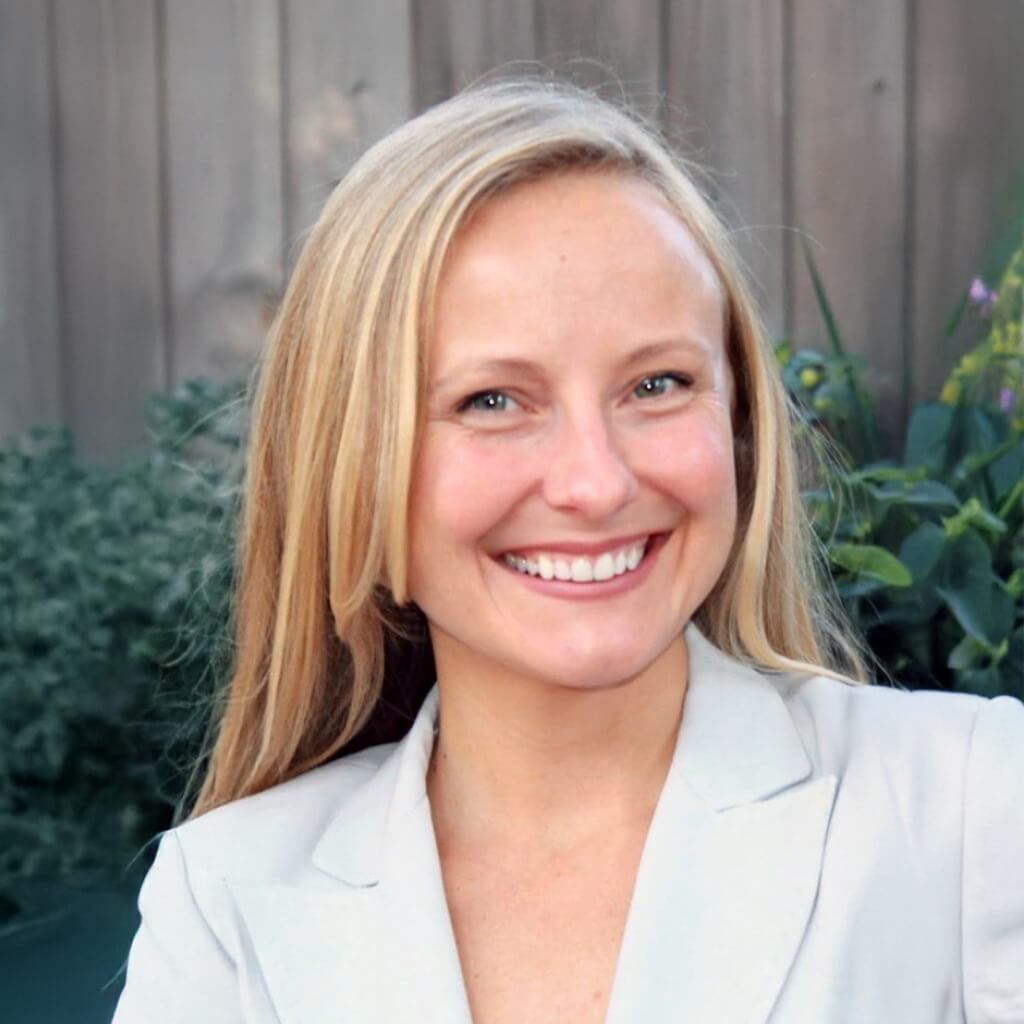
Lauray MacElhern, PhD
Titles
Managing Director, Centers for Integrative Health
Research Areas
Acupuncture, CIH outcomes, EMR-based research
Organizational Roles
Short Bio

Lauray has spent her career teaching healing cooking and building integrative nutrition programs — co-founding UC San Diego's Natural Healing & Cooking Program and training chefs, clinicians, and communities to put food at the center of health.

Bio

Lauray MacElhern has spent her career cooking, studying, and experimenting with healing foods — working alongside physicians, dietitians, and chefs to teach healing cooking classes at hospitals, cancer centers, universities, and academic health centers.

As Managing Director of the UC San Diego Centers for Integrative Health, she oversees the business administration, strategy, operations, marketing, finance, management, and development of its five Centers: the Center for Integrative Medicine, Center for Mindfulness, Krupp Center for Integrative Research, Center for Integrative Education, and Center for Integrative Nutrition. One of the founding members of the Centers for Integrative Health in 2011, Lauray has supported its growth from a 10-person micro-granted program into a nearly 100-person, multi-Center organization.

In her role co-directing the Center for Integrative Nutrition, Lauray brings deep expertise in curriculum development. She is co-founder, teacher, and trainer of the UC San Diego Natural Healing & Cooking Program and co-developer of the UC San Diego Certificate in Integrative Nutrition: Food As Medicine. She serves on the boards of the Krupp Endowed Fund and of the prestigious Academic Consortium for Integrative Medicine and Health.

Lauray joined UC San Diego after running The Cancer Project, a Washington, D.C.–based non-profit dedicated to nutrition education and research for cancer prevention and survival. There she worked with and trained more than 100 chefs around the world to teach the organization's award-winning cooking and nutrition courses, reaching millions through public outreach and within community centers, hospitals, and medical centers in more than 160 cities across the U.S., U.K., Canada, Panama, Jamaica, India, and Spain. For the prior decade, she held technology, management, marketing, and leadership roles contributing to the start-up and growth of three companies, earning formal recognition from NASA and the Telly Awards for her work.

From an early age, Lauray has been personally immersed in and passionate about healing cooking, natural medicine, Ayurveda, and Chinese medicine. She earned her bachelor's degree in communication and commerce through coursework in the Wharton School and the Annenberg School for Communication at the University of Pennsylvania, and pursued advanced coursework in nutrition sciences through extension programs at Harvard University, UC Berkeley, and American University. She earned her MBA from the Rady School of Management, where she was a recipient of the Pauline Foster MBA Fellowship.

Show in directories
On

CORK Sponsorship


Become a Sponsor Today

Supporting CORK provides a unique opportunity to help shape the future of research in osteopathic manipulative medicine and its practical application.

Sponsorship Information

About Sponsorship

There are many ways to be a part of CORK 2026. We invite you to sponsor CORK 2026 in support of advancing osteopathic research and scholarship.  


Sponsorship Levels

Primary Benefactor – $25,000 

Total fair market value: $4,576*

  • Sponsorship recognition during the Event, including:
    • Recognition from podium during opening and closing remarks on Day 1
    • Recognition on Event website and digital program
  • 8 complimentary Event registrations (fair market value: $572/registration)
  • Opportunity to host exhibit table at the Event

Major Benefactor – $10,000 

Total fair market value: $2,288*

  • Sponsorship recognition during the Event, including:
    • Recognition from podium at the start and end of lunch
    • Recognition on Event website and digital program
  • 4 complimentary Event registrations (fair market value: $572/registration)

Benefactor – $5,000 

Total fair market value: $1,144* 

  • Sponsorship recognition during the Event, including:
    • Recognition on Event website and digital program
  • 2 complimentary Event registrations (fair market value: $572/registration)

Co-Benefactor – $2,500 

Total fair market value: $572*

  • Sponsorship recognition during the Event, including on Event website and digital program
  • 1 complimentary Event registration (fair market value: $572/registration)

Supporter – $1,000 or more

  • Sponsorship recognition during the Event, including on Event website and digital program

*This portion of the total contribution is non-tax deductible.


For more information on ways to support CORK 2026, or to arrange a payment, please contact Diana Barnard at drbarnard@ucsd.edu

About The Program Behind cork

CORK 2026 is powered by UC San Diego’s Osteopathic Manipulative Medicine (OMM) program within the Centers for Integrative Health—one of the most clinically active OMM programs in the country. Help support continued OMM research and educational efforts at UC San Diego.

CORK 2026 Agenda


Day 1 Schedule – Wednesday, September 9, 2026

Day 1 Schedule

Wednesday, September 9, 2026

TimeSchedule
8:00 AMCheck-in Opens, Poster Mounting, and Light Breakfast by the Beach
9:00 AM
Welcome Remarks
Opening Meditation
Hollis H. King, DO, PhD
Voluntary Clinical Professor, Family Medicine
Centers for Integrative Health, UC San Diego
A Vision for the Future of OMM Research
Benefactors and Sponsor Recognition
Alice I. Chen, DO & Jordan Keys, DO
9:15 AM
Morning Session: Showcasing Current Research in OMM/OMT
Utilization and Health Economics of an Inpatient OMM Consultation Service at an Academic Health Center
Alice I. Chen, DO
Associate Clinical Professor, Family Medicine
Centers for Integrative Health, UC San Diego
Osteopathic Cranial Manipulative Medicine for TBI
Gunnar Brolinson, DO
Professor, Family Medicine and Sports Medicine
Vice Provost for Research, Edward Via College of Osteopathic Medicine
Thermography in Osteopathic Manipulation Research
Francesco Cerritelli, DO, PhD
Assistant Professor, Osteopathic Manipulative Medicine
New York Institute of Technology, College of Osteopathic Medicine
President, Centre for Osteopathic Medicine Collaboration, Italy
Jordan Keys, MS, DO
Associate Dean, Research Collaboration and Innovation
New York Institute of Technology
OPT-IN: Osteopathic Plagiocephaly Treatment for Infants and Neonates
Kimberly Wolf, DO
Professor, Osteopathic Manipulative Medicine
Touro University California College of Osteopathic Medicine
Jennifer Belsky, DO, MS
Assistant Professor, Pediatrics, Division of Hematology/Oncology
Indiana University School of Medicine
Select Abstract Winners
This could be you!
Submit an abstract today
12:00 PM
Keynote
Colleges of Osteopathic Medicine: Advancing Strategic Priorities at the National Level
Robert A. Cain, DO, FACOI, FAODME
President & Chief Executive Officer
American Association of Colleges of Osteopathic Medicine
12:30 PMGroup Photo, Lunch, and Research Roundtable Discussions and Networking
1:45 PM
Afternoon Session: Design Decisions in OMM/OMT Research
The OMT Intervention: Pragmatic vs. Protocoled
Jennifer Belsky, DO, MS
Assistant Professor, Pediatrics, Division of Hematology/Oncology
Indiana University School of Medicine
Francesco Cerritelli, DO, PhD
Assistant Professor, Osteopathic Manipulative Medicine
New York Institute of Technology, College of Osteopathic Medicine
President, Centre for Osteopathic Medicine Collaboration, Italy
Understanding Shams, Placebos, and Control Groups in Manual Therapy Research
Sheldon Yao, DO
Professor, Osteopathic Manipulative Medicine
New York Institute of Technology, College of Osteopathic Medicine
Francesco Cerritelli, DO, PhD
Assistant Professor, Osteopathic Manipulative Medicine
New York Institute of Technology, College of Osteopathic Medicine
President, Centre for Osteopathic Medicine Collaboration, Italy
3:00 PMSmall Group Discussion (Break)
3:30 PM
Afternoon Session: Future Directions in Translational OMM/OMT Research
Co-Sponsored with UC San Diego REACH Center for Translational Science in Whole Person Health
Decoding the Mind–Body Connection Through Deep Physiological and Molecular Profiling
Hemal Patel, PhD
Professor, Anesthesiology, UC San Diego School of Medicine
Faculty, UC San Diego REACH Center for Translational Science in Whole Person Health
Conceptualizing OMT Mechanisms: Insights from Affective and Somatosensory Neuroscience
Laura Case, PhD
Associate Adjunct Professor, Anesthesiology, UC San Diego School of Medicine
Faculty, UC San Diego REACH Center for Translational Science in Whole Person Health
5:00 PM
7:02 PMSunset
7:28 PMDusk — End of Day 1

Day 2 Schedule – Thursday, September 10, 2026

Day 2 Schedule

Thursday, September 10, 2026

Design Your Own Learning Path.After our morning Keynote, the rest of the day is organized into four tracks of different formats running across four rooms. Between each block of time, you are invited to move between rooms and track formats if you'd like, or feel free to stay in the same track and room all day.

Panel TrackHands-On TrackBreakout Tracks 1 & 2
Panel discussions bring together experts from complementary fields to examine emerging evidence and trends, discuss key questions, and offer multiple perspectives on the scientific, clinical, and methodological issues shaping OMM research.Hands‑on OMT workshops provide supervised, practical experience in conducting a complete OMM evaluation and delivering high-quality, clinically relevant treatment, with emphasis on safety, diagnostic reasoning, and skill development.

Space is limited. If there is large interest, more sessions may be offered in open time blocks.

Small-group breakouts offer focused, interactive learning and mentorship, allowing participants to discuss challenges, share strategies, and build practical skills for implementing OMM research and clinical practice.

Space is limited. If there is large interest, more sessions may be offered in open time blocks.

Day at a Glance

TimeSession
8:00 AMLight Breakfast by the Beach
9:00 AM
American Osteopathic Foundation Keynote
Amber Brown, DO, MS  |  Pediatric Critical Care Fellow, Indiana University School of Medicine
9:30 AM – 4:30 PM
(Includes Breaks & Lunch)
Concurrent Tracks — See session details below
Panel Track
Samuel H. Scripps Auditorium
Imagining the Future of Translational Research in OMM
Frontiers in Chronic Pain: Mechanistic Insights and Opportunities for OMM Research
Scientific Considerations of Manual Assessment and Therapeutic Contact
Integrating Artificial Intelligence into OMM Research
Hands-On Track
Margaret Scripps Buzzelli & Nacket Scripps Loeb Room
OMM in the Hospital Setting
OMM for Lactation, Mastitis, and Breastfeeding-Related Complaints
Breakout Track 1
Edward H. "Ted" Scripps II Room
Performing a High-Quality Peer Review
Identifying and Securing Funding for OMM Research
Breakout Track 2
Robert P. Scripps II Room
Integrating OMT into Training Programs and Conducting OMM Research in Surgical and Other Specialties
Components of High-Quality Systematic and Scoping Reviews
Integrating Technology into OMT Research
4:30 PM
Closing Reflections and Next Steps
Alice I. Chen, DO & Jordan Keys, DO, MS

Session Details (9:30 AM – 4:30 PM)

Panel TrackPanel Talks + Q&ASamuel H. Scripps Auditorium
Imagining the Future of Translational Research in OMM
Hemal Patel, PhD
Professor, Anesthesiology, UC San Diego School of Medicine
Faculty, UC San Diego REACH Center for Translational Science in Whole Person Health
Laura Case, PhD
Associate Adjunct Professor, Anesthesiology, UC San Diego School of Medicine
Faculty, UC San Diego REACH Center for Translational Science in Whole Person Health
Alice I. Chen, DO
Associate Clinical Professor, Family Medicine
Centers for Integrative Health, UC San Diego
Frontiers in Chronic Pain: Mechanistic Insights and Opportunities for OMM Research
Francesco Cerritelli, DO, PhD
Assistant Professor, Osteopathic Manipulative Medicine, New York Institute of Technology, College of Osteopathic Medicine
President, Centre for Osteopathic Medicine Collaboration
Ariel Portera, DO
Assistant Clinical Professor, Family Medicine
Centers for Integrative Health, UC San Diego
Scientific Considerations of Manual Assessment and Therapeutic Contact
Brian F. Degenhardt, DO
Professor, Osteopathic Manipulative Medicine
A.T. Still University – Kirksville College of Osteopathic Medicine
Terry Loghmani, PT, PhD
Associate Professor, Physical Therapy
School of Health and Human Services, Indiana University
Integrating Artificial Intelligence into OMM Research
Joanne Donahue, PhD
Professor, Osteopathic Manipulative Medicine; Director of Clinical Research
New York Institute of Technology, College of Osteopathic Medicine, Old Westbury
Ryan Bradley, ND, MPH
Professor, Herbert Wertheim School of Public Health and Human Longevity Science, UC San Diego
Faculty, UC San Diego REACH Center for Translational Science in Whole Person Health
Hands-On TrackHands-On OMT LabsMargaret Scripps Buzzelli & Nacket Scripps Loeb Room
OMM in the Hospital Setting
Anna Mercer, DO
Assistant Clinical Professor, Family Medicine
Centers for Integrative Health, UC San Diego
OMM for Lactation, Mastitis, and Breastfeeding-Related Complaints
Eileen Conaway, DO, NABBLM-C, FACOFP, IBCLC
Adjunct Associate Professor, Osteopathic Manipulative Medicine
Campbell University School of Osteopathic Medicine
Breakout Track 1Facilitated Small Group DiscussionsEdward H. "Ted" Scripps II Room
Performing a High-Quality Peer Review
Joshua Alexander, DO, MPH
Chief, Division of Neurology
Scripps Clinic, San Diego
Identifying and Securing Funding for OMM Research
Jennifer Belsky, DO, MS
Assistant Professor, Pediatrics, Division of Hematology/Oncology, Indiana University School of Medicine
Director, Pediatric and AYA Lymphoma at Riley Hospital for Children
Jennifer Xie, PhD
Associate Professor, Biomedical Sciences
New York Institute of Technology, College of Osteopathic Medicine, Arkansas
Breakout Track 2Facilitated Small Group DiscussionsRobert P. Scripps II Room
Integrating OMT into Training Programs and Conducting OMM Research in Surgical and Other Specialties
Gerard Baltazar, DO
Associate Professor, Surgery
Components of High-Quality Systematic and Scoping Reviews
Karen Heskett
Librarian, UC San Diego
Integrating Technology into OMT Research
Kyle Henderson, PhD
Professor, Midwestern University

Cork 2026 Home


Cork 2026

The Conference on Osteopathic Research and Knowledge returns in 2026 with a new venue and new voices. 

September 9–10, 2026

Scripps Seaside Forum 

8610 Kennel Way 

La Jolla, CA 92037 

Join us for the most memorable conference of the year

A Deep Dive into Research 

Osteopathic medicine has a 150‑year history rooted in hands‑on, whole‑person care, yet research approaches have not always been equipped to capture its clinical nuance, context, and complexity.

CORK brings together leaders in osteopathic manipulative medicine (OMM), translational science, and related disciplines to examine how OMM and related interventions are studied and implemented within modern healthcare and research settings.

This year’s program focuses on advancing clearer questions, more rigorous methods, and a coherent research framework—supporting high‑quality scholarship shaped by real-world clinical practice.

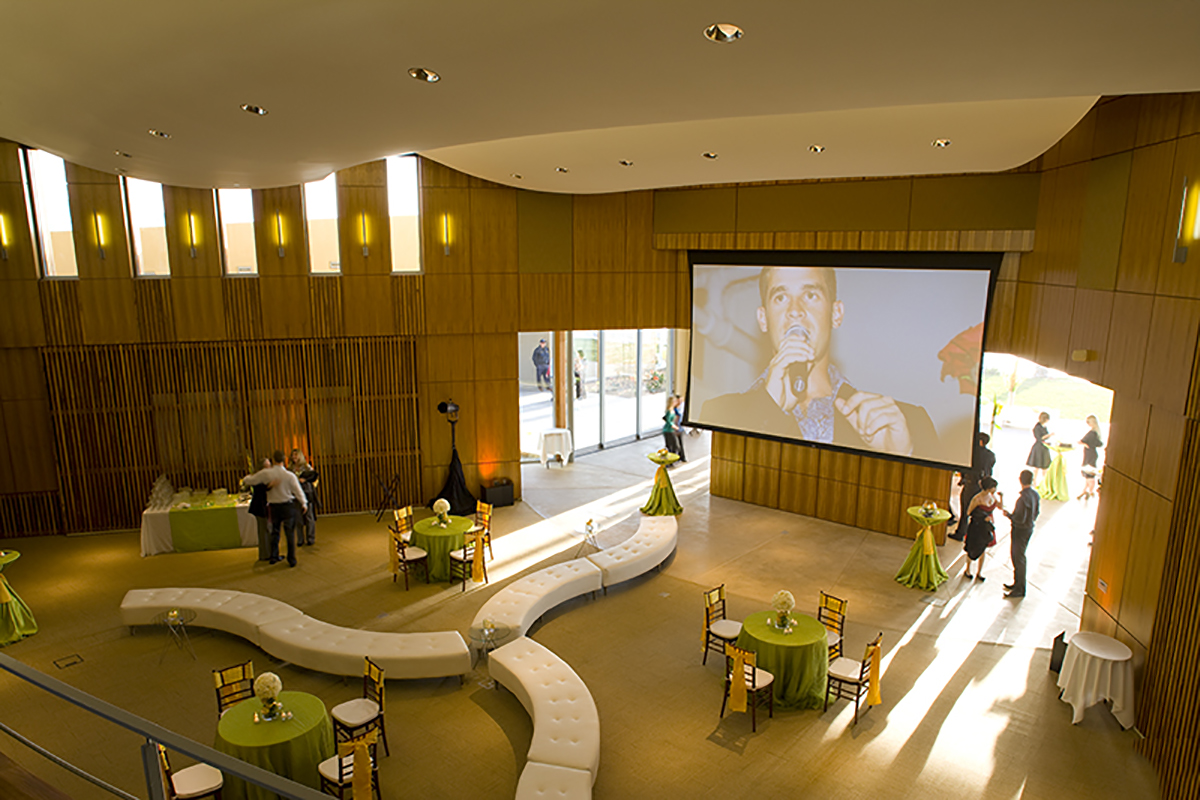
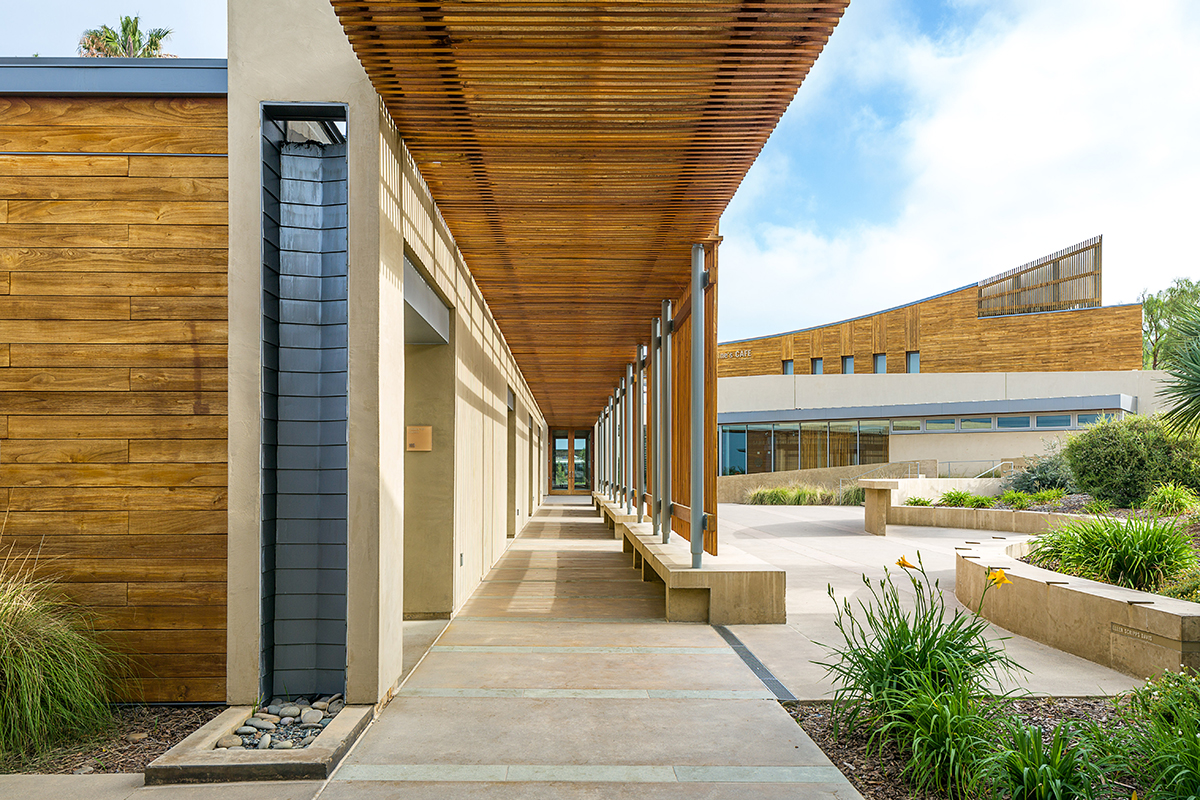
A Picturesque Venue 

Building on two successful years at the New York Institute of Technology, CORK 2026 marks the conference’s first gathering on the West Coast. This year, we welcome both returning participants and new voices to continue the deep engagement and thoughtful exchange that define CORK. 

The conference will be held at UC San Diego’s Scripps Seaside Forum, a hub for academic medicine set against sweeping views of the Pacific Ocean—offering an inspiring setting for focused inquiry, collaboration, and connection.


Got Research? We want to hear about it! 

CORK 2026 features a dedicated poster session where students, residents, fellows, and researchers can share their work with peers and leaders in the field. The poster session offers a valuable opportunity to present findings, receive constructive feedback, and engage in meaningful scientific exchange within the osteopathic research community.

Thanks to the Osteopathic Cranial Academy Foundation, top‑rated abstracts will receive travel support grants to help presenters attend CORK 2026 in San Diego.


Join us in September

Space is limited. Whether you're coming to present, to learn, or to connect with the researchers defining the field — register early and be part of the conversation.

Support CORK

Partner with UC San Diego to fund the operations bringing this community together.

Details & Agenda

Two days of focused inquiry and expert dialogue in San Diego, September 9–10, 2026. 

Plan Your Visit

Helpful information to make your trip out, including discounted hotel blocks. 


Our Supporters