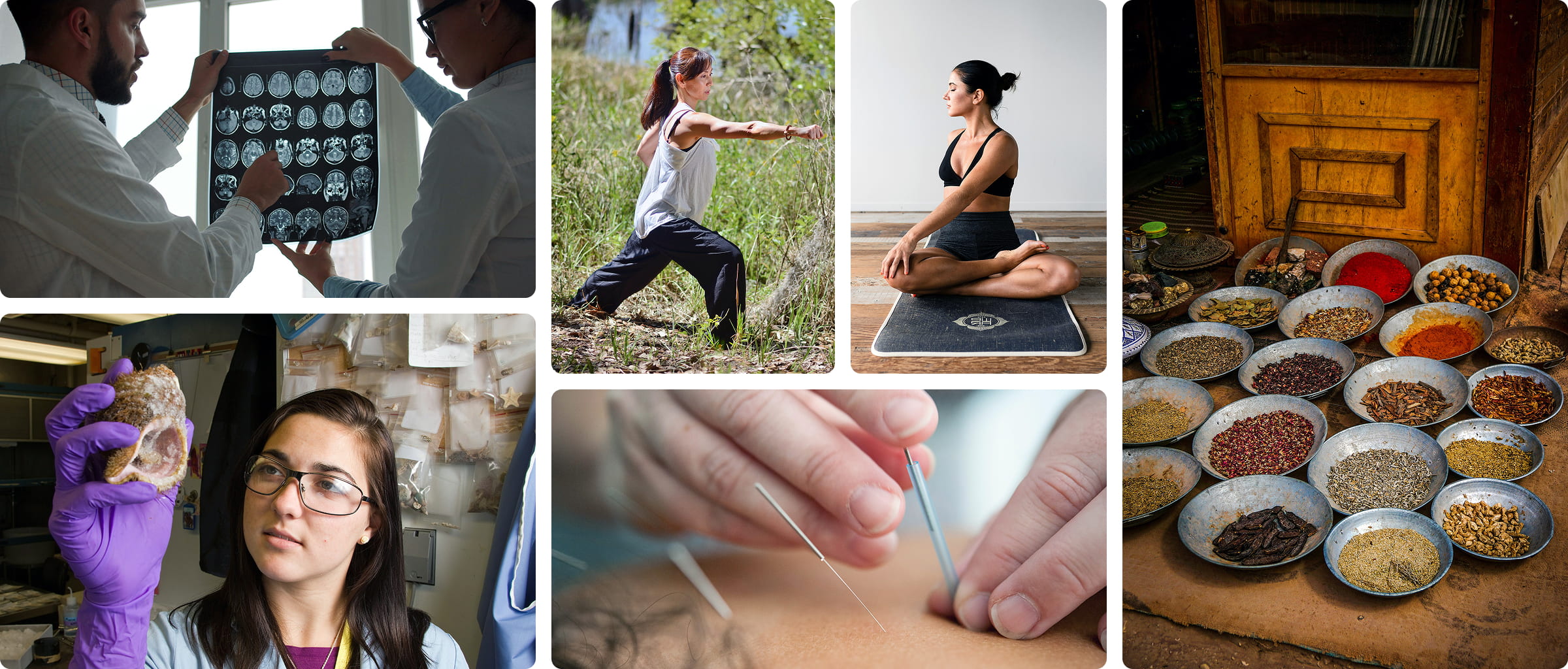
Established in 2011, the UC San Diego Centers for Integrative Health supports whole-person health care guided by the mind-body-spirit connection. Our Centers foster innovative research, education, and clinical prog
Join five nationally recognized integrative physicians for an inspiring panel discussion on the personal and professional journey into whole-person healing, moderated by Daniel Vicario, MD, ABIHM.
Explore the emerging science of circadian health through the lens of East Asian Medicine and integrative care. Z’ev Rosenberg, LAc, and Stephen Cowan, MD, discuss how disrupted biological rhythms influence chronic disease
The Centers for Integrative Health articulate with every department and division across UC San Diego, have a presence at more than a dozen clinical locations across San Diego, and have acclaimed national and international programs. Administratively housed in the School of Medicine and Department of Family Medicine, the Centers for Integrative Health include:
Default
Off
Krupp Center for Integrative Research (KCIR)
The Krupp Center for Integrative Research is one of the most robust integrative health research programs in the U.S. thanks to a generous gift from Richard N. Krupp (1930-2015). It supports and administers various independent research projects as well as practice-based research in the areas of integrative nutrition, natural medicine, lifestyle medicine, and integrative public health.
The NCCIH-supported University of California San Diego REACH Center for Translational Science in Whole Person Health (UCSD REACH) unites integrative health institutions to expand research capacity, develop clinician-scientist research careers, share knowledge, and advance the field of whole-person, integrative health.
The Center for Integrative Medicine provides integrative physician consults, osteopathic manual medicine, acupuncture/Chinese medicine, massage, jin shin jyutsu, integrative nutrition, integrative shared medical visits, and mindful health coaching for more than 15,000 patient visits per year across 12 clinical locations and UC San Diego hospitals.
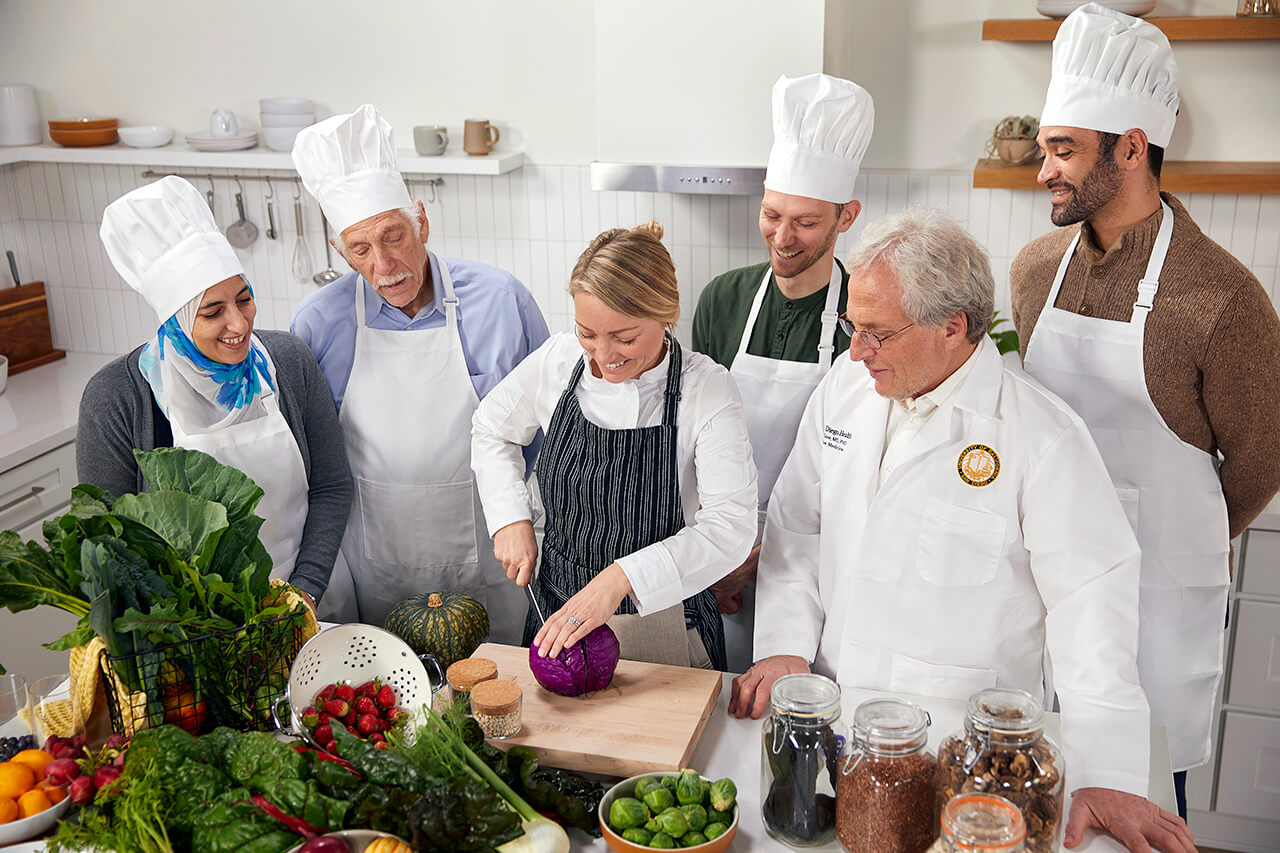
The Center for Integrative Nutrition houses state-of-the-art professional training, clinical care, and rigorous research in integrative nutrition and natural medicine. Services include personal healing through the use of food-as-medicine, targeted natural therapeutics, and the creation and management of dietary interventions for many high-profile research projects.
The Center for Mindfulness was among the first university-based centers around the world devoted solely to the teaching and study of mindfulness. The Center has more than 20 instructors teaching courses to more than 500 participants per year. It has also participated in numerous research projects and publications.
The Center for Integrative Education oversees integrative educational programs for medical students, residents and the community, continuing education for health professionals, and numerous outreach activities.
The NCCIH-supported University of California San Diego REACH Center for Translational Science in Whole Person Health (UCSD REACH) unites integrative health institutions to expand research capacity, develop clinician-scientist research careers, share knowledge, and advance the field of whole-person, integrative health.
Join us for a special evening of dialogue, inspiration, and reflection — an exploration of conversations on the personal and professional journey into integrative medicine and whole-person health — taking place on Monday, June 15 at UC San Diego. This unique event will bring together five nationally recognized integrative physicians for an engaging panel discussion exploring the personal experiences, professional journeys, challenges, and moments of transformation that shaped their paths into integrative and whole-person healing. Moderated by Daniel Vicario, MD, ABIHM, the conversation will offer an authentic and deeply human perspective on the evolving future of medicine —one that seeks to unite scientific rigor with compassion, connection, meaning, and the healing of the whole person.
This gathering aims to create a space for curiosity, inspiration, and meaningful dialogue across disciplines and perspectives. Topics will include the integration of conventional and complementary approaches to care, physician wellness and purpose, mind-body-spirit dimensions of healing, patient-centered care, and the growing movement toward a more compassionate, collaborative, and humanistic healthcare system. Whether you are deeply involved in healthcare or simply interested in the future of healing, this promises to be a thought-provoking and energizing evening that invites us all to reimagine what medicine can become when we care not only for disease, but for the whole human being.
Page Sections
Off
Guest & Keynote Speakers
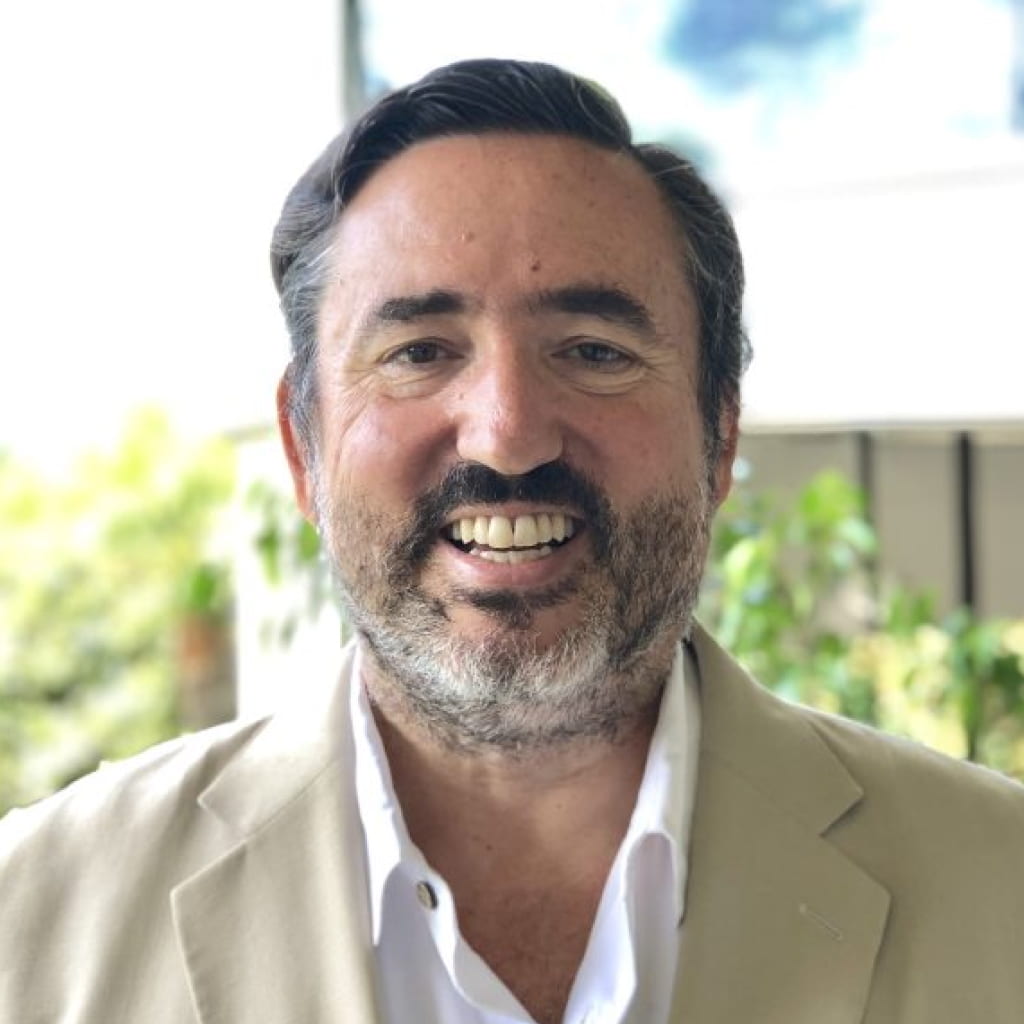
Daniel Vicario, MD, ABIHM(Moderator)
A board-certified Medical Oncologist who has dedicated more than three decades to advancing the field of Integrative Oncology. Throughout his career, he has sought to thoughtfully integrate the best of evidence-based conventional cancer care with complementary healing approaches that support the whole person: body, mind and spirit. Guided by a lifelong commitment to compassionate, patient-centered care, his work has focused on enhancing quality of life, fostering resilience and healing, and supporting not only patients but also their families and caregivers throughout the cancer journey.
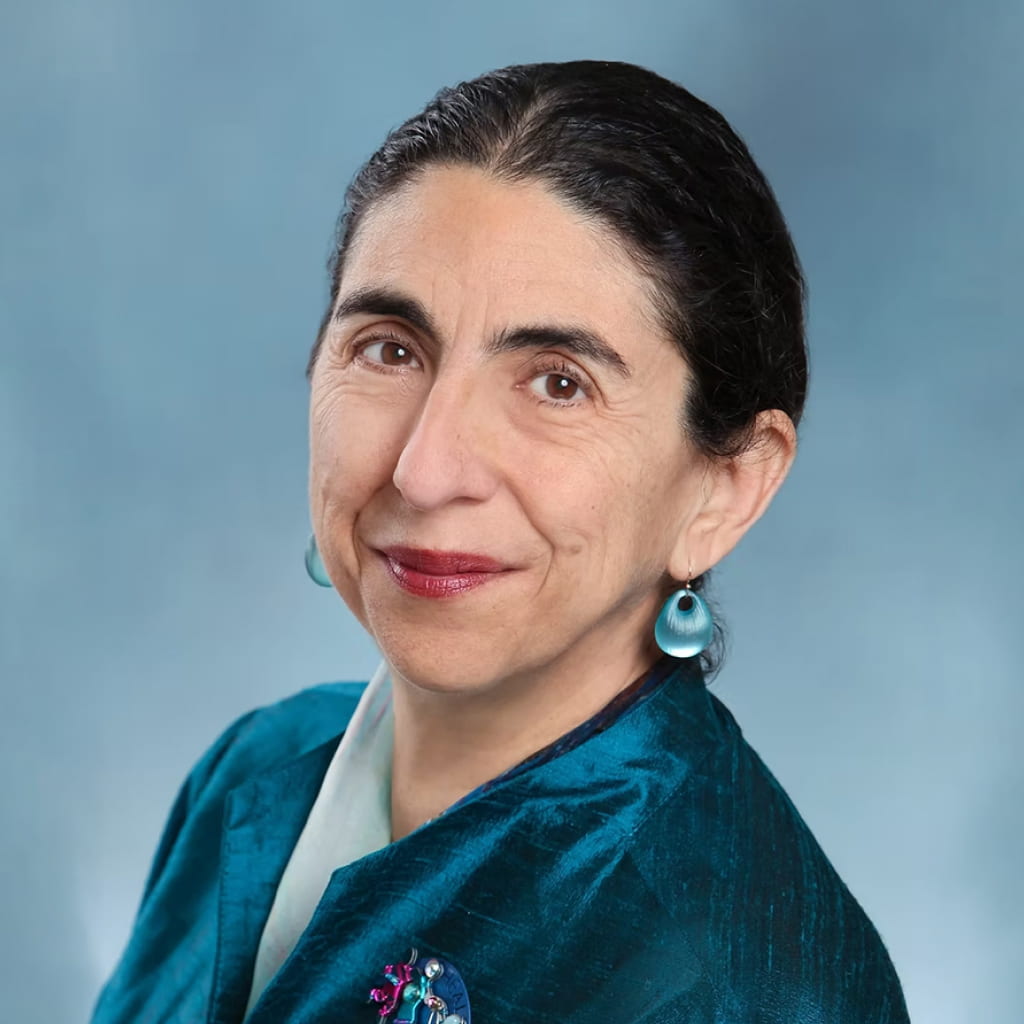
Ellen Beck, MD
A family physician, educator, and nationally recognized leader in integrative medicine, Dr. Ellen Beck has dedicated her career to advancing compassionate, whole-person care and medical education. She founded the internationally acclaimed UC San Diego Student-Run Free Clinic Project and helped establish the UC San Diego Center for Integrative Medicine.
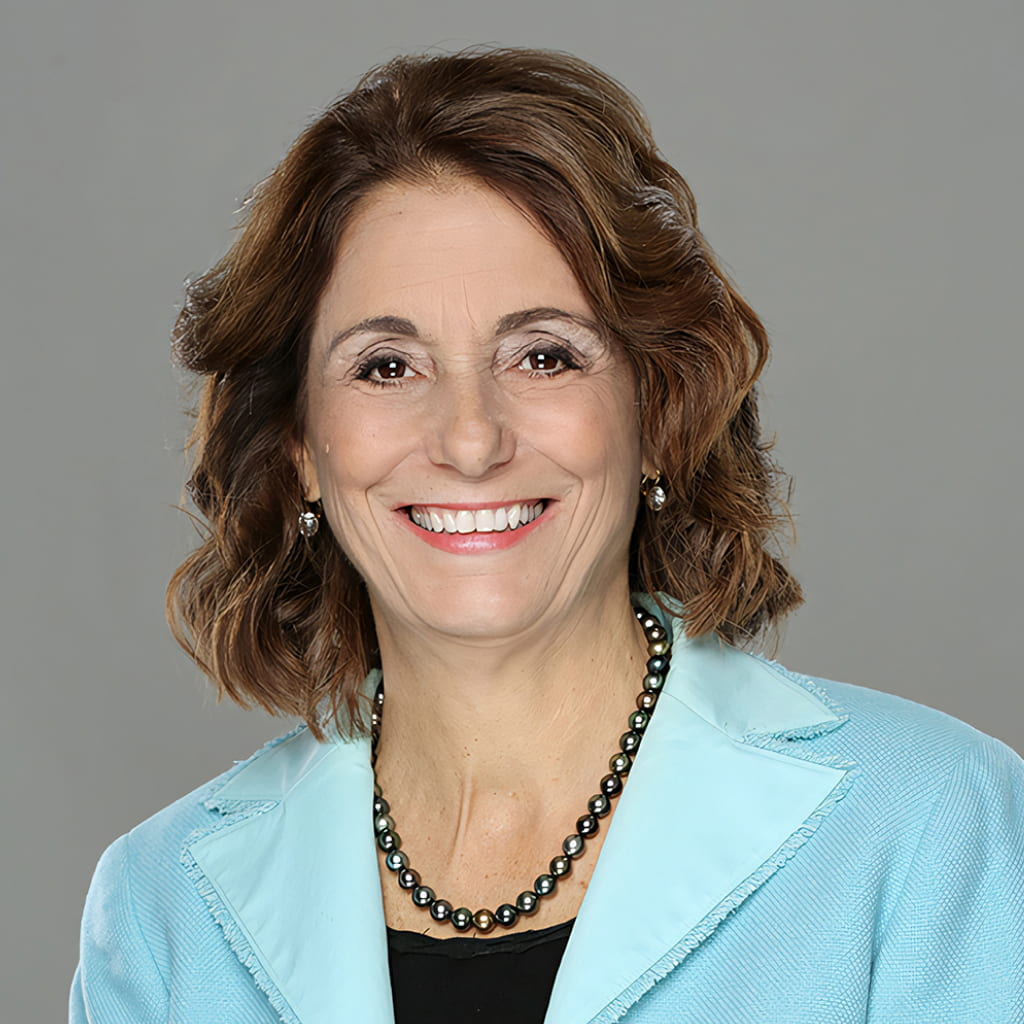
Mimi Guarneri, MD, FACC, ABOIM
A board-certified cardiologist and pioneer in integrative medicine, Dr. Erminia “Mimi” Guarneri has dedicated her career to advancing a more comprehensive approach to cardiovascular health. She founded the Scripps Center for Integrative Medicine, combining leading-edge cardiac care with evidence-based lifestyle medicine to prevent and treat heart disease.
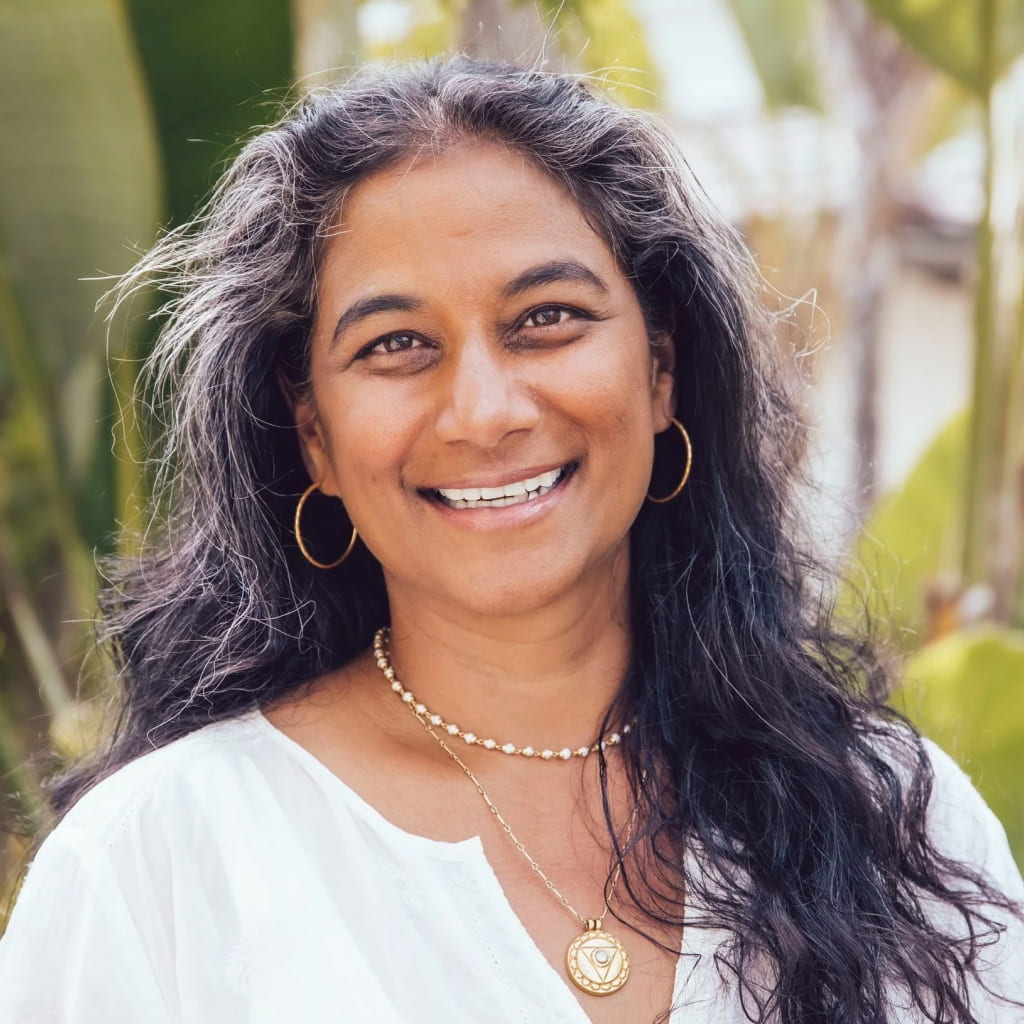
Sheila Patel, MD
A board-certified family physician and integrative medicine leader, Dr. Sheila Patel has dedicated her career to advancing whole-person health through the integration of modern medicine, lifestyle medicine, and mind-body practices. Through her clinical work, teaching, and leadership, she empowers individuals to achieve lasting wellbeing through personalized, preventive, and integrative care.
Robert Bonakdar, MD, FAAFP, FACN, ABOIM
A leader in integrative pain medicine, Dr. Bonakdar has dedicated his career to advancing multidisciplinary, non-pharmacological approaches to pain and headache care. As Director of Pain Management at the Scripps Center for Integrative Medicine, he combines expertise in nutrition, headache medicine, and global healing traditions to promote comprehensive healthcare.
Paul W. Corey, MD
A board-certified anesthesiologist and educator, Dr. Paul Corey has focused his career on advancing innovative approaches to mental health, consciousness, and healing. Through his clinical work, research, and leadership in ketamine- and psychedelic-assisted therapies, he has helped bridge anesthesiology, behavioral health, and emerging models of integrative mental healthcare.
Join five nationally recognized integrative physicians for an inspiring panel discussion on the personal and professional journey into whole-person healing, moderated by Daniel Vicario, MD, ABIHM.
This talk centers on cancer care as a shared healing process, one that depends on medical treatment as well as compassion, presence, and support for the whole person. The speaker discusses integrative oncology through many forms of care, including nutrition, acupuncture, massage, mind-body practices, spiritual support, and energy medicine, while emphasizing hope, balance, and the importance of caring for patients, families, and healthcare providers alike.
The speaker presents nutrition as an essential part of integrative medicine, showing how everyday food choices can influence chronic disease, healing, and overall well-being. He highlights whole-food, plant-based eating as a practical path toward prevention and long-term health, while emphasizing education, community support, research, and helping patients make sustainable lifestyle changes.
Biofield therapies are discussed as a controversial but widely used area of integrative medicine focused on the body’s energy field and its possible relationship to healing. The presentation reviews research on healing touch and related practices, including studies with cancer patients, and considers how these therapies may support fatigue, pain, quality of life, and physiological balance through touch, expectation, patient-practitioner connection, and the healing environment.
Manual medicine is presented as a way of restoring balance in the body through skilled touch, movement, and a deeper awareness of how physical symptoms show up in lived experience. The talk connects osteopathic medicine, massage, physical therapy, and healing touch, emphasizing the value of compassionate contact, patient-centered diagnosis, and the body’s natural capacity for healing and function.
In the past 20 years, an emerging field of research has demonstrated how dysfunctional circadian rhythms underlie a host of chronic physical and mental disorders, including inflammation and neurodegeneration.
Every cell in our body has its own innate circadian clock, organized by the master circadian pacemaker housed in the suprachiasmatic nuclei in the brain. When synchronized, the organism functions effectively at the cellular, tissue, and systemic levels in its ability to adapt to change. Cellular metabolism, epigenetic modification, gut microbiome function, immune response, and cognition all depend on our connection to the rhythm of day and night.
For over 2,000 years, East Asian Medicine has based its understanding of health on our deep connection to the dynamic processes of circadian and seasonal cycles described as Yin and Yang. Light and dark function as fundamental mediators of organ function that promote immune resilience, mental health, and longevity.
In this presentation, Z’ev Rosenberg, LAc, and Stephen Cowan, MD, co-authors of A Ring without End, will discuss an ecological medical approach to improving circadian rhythm regulation. Through case discussions and clinical examples, they will explore the implications of circadian health in the treatment of hospitalized patients.
Agenda
9:00 AM – 12:30 PM Presentation and case discussion
12:15 – 1:30 PM Q&A, book signing and lunch break
1:30 – 2:30 PM Optional clinical session
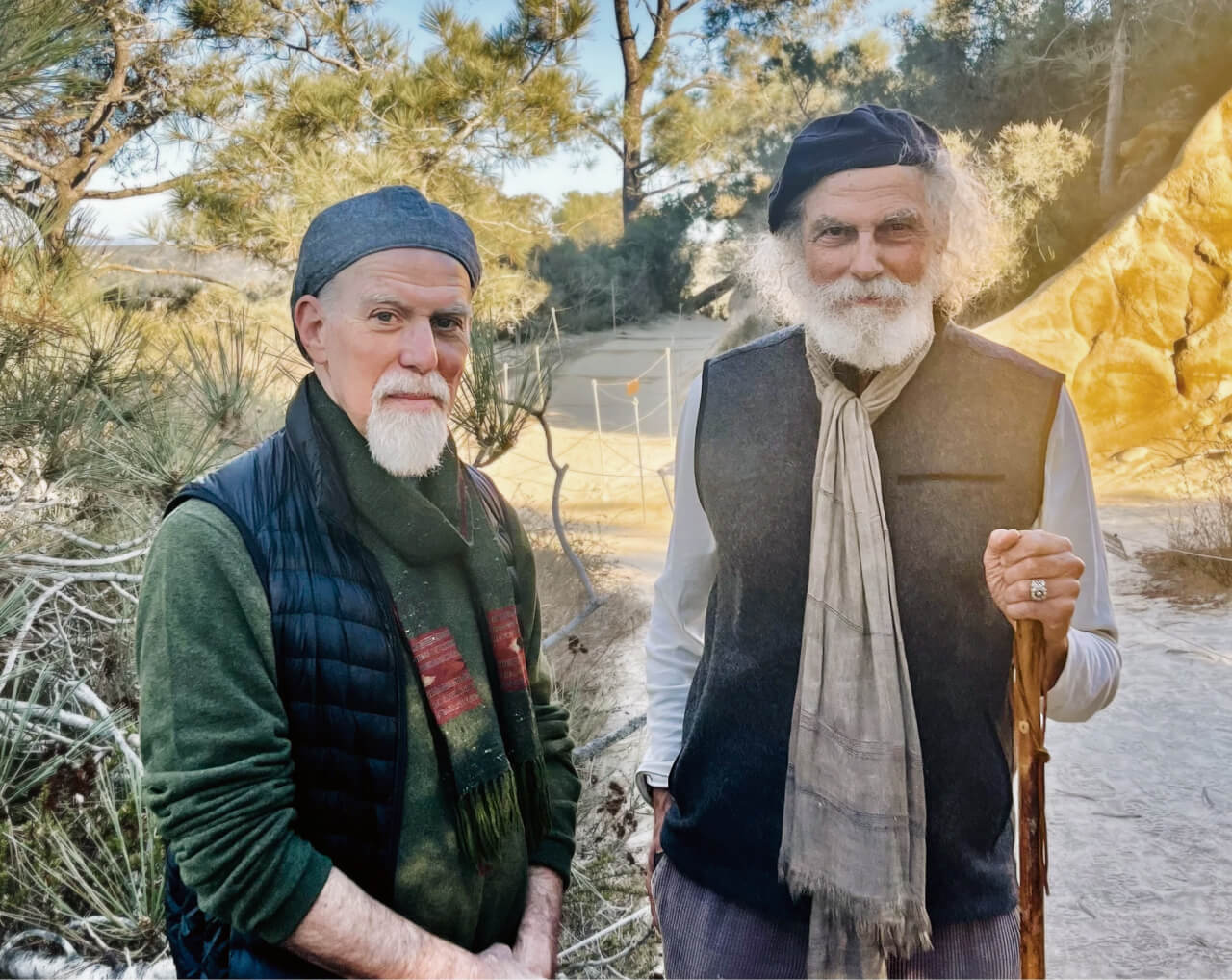
Z’ev Rosenberg, LAc, and Stephen Cowan, MD, co-authors of A Ring without End
Explore the emerging science of circadian health through the lens of East Asian Medicine and integrative care. Z’ev Rosenberg, LAc, and Stephen Cowan, MD, discuss how disrupted biological rhythms influence chronic disease
We have room blocks held at the locations listed below, all are within 5 miles of the conference venue. Special rates have been negotiated for CORK 2026. Please click the links below to book now!
The closest airport is San Diego International Airport (SAN).
Parking at Venue
There is no parking at the venue. Street parking in the area is extremely tight. Carpooling or ridesharing (Uber or Lyft) is strongly recommended.
If you must drive, we recommend parking for free at the Torrey Pines Gliderport and taking a rideshare to the venue (2.8 miles, about 10-15 minute car ride).
This support is made possible by the Osteopathic Cranial Academy Foundation. The purpose of these awards is to support students, residents, and young physicians in their educational journey towards excellence in Osteopathic Manipulative Medicine by providing financial assistance based on merit, financial need, and other qualifying criteria.
How to Apply
This application provides partial registration support for qualified physicians-in-training (medical students, residents, fellows) and early-career physicians (less than 10 years in practice) to attend CORK 2026 in person from September 9–10, 2026.
Medical Students: $375 off (50% discount)
Residents & Fellows: $225 off (30% discount)
Early-Career Physicians: $100 off registration
Eligibility to Apply
Medical Students: Applicants must be enrolled full-time in an accredited osteopathic or allopathic medical school and be in good standing with their institution.
Residents and Post-Residency Fellows: Applicants must be employed full-time as residents or fellows in an accredited program.
Early-Career Physicians: Defined as licensed physicians who have been in practice for ten years or less following completion of residency. Applicants must hold an active license and be in good standing.
Good Conduct: Applicants are admitted as responsible professionals committed to cultivating knowledge and understanding of medicine’s highest art. While attending with this support, participants are expected to conduct themselves accordingly.
All applicants will be notified of their application outcome. Tuition support is awarded to qualified applicants as funds allow and is distributed on a first-come, first-served basis.