Mindfulness-Based Stress Reduction (MBSR)
An evidence-based program to reduce stress, build resilience, and support well-being
Mindfulness-Based Stress Reduction (MBSR) is an 8-week, structured group program designed to help individuals manage stress, improve emotional regulation, and cultivate greater awareness in daily life. Developed by Jon Kabat-Zinn and offered worldwide, MBSR is grounded in scientific research and taught in a secular, accessible format.
At UC San Diego, MBSR is offered through experienced, trained instructors and is suitable for individuals from all backgrounds—no prior meditation experience required.

What is MBSR?
MBSR is a standardized mindfulness training program that combines guided meditation, gentle movement, and group dialogue to help participants develop practical skills for navigating stress and life challenges.
MBSR is not therapy and does not require adherence to any belief system. It is a skills-based program focused on awareness, attention, and resilience.
The MBSR program includes:
Eight weekly live group sessions
Guided mindfulness practices
Daily home practice
One full-day retreat
A supportive group learning environment
Who is this program for?

Individuals experiencing stress, anxiety, burnout

Healthcare workers and caregivers

Anyone managing chronic pain or illness
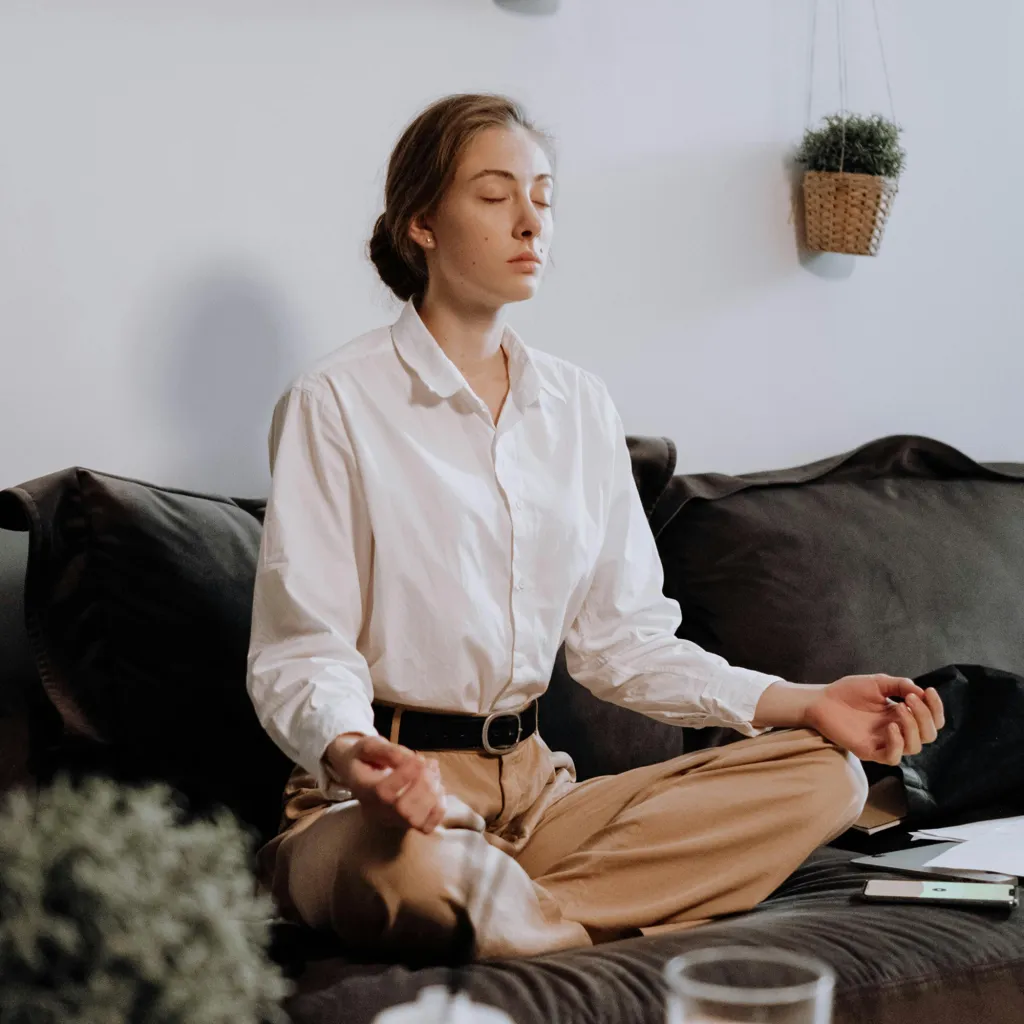
People seeking mindful resilience
What You'll Learn & Experience

Learning Objectives
Helen will send updated LOs
Core Practices
Mindful breathing
Body scan meditation
Sitting meditation
Gentle mindful movement
Informal mindfulness in daily activities
These practices are designed to be learned, practiced, and applied in daily life, supporting the key skills and outcomes.

Skills Developed & Outcomes
Greater awareness of stress patterns
Improved emotional regulation
Increased attention and focus
Self-compassion and patience
The ability to respond rather than react
These skills are designed to be integrated into everyday life, both during and after the program.
Our Evidence-Based Approach
MBSR is one of the most widely studied mindfulness programs. Research has shown that participation is associated with improvements in:
MBSR was originally developed to help individuals better understand and respond to stress. Research consistently shows that participants report significant reductions in perceived stress after completing the program.
Rather than eliminating stressors, MBSR helps participants recognize habitual stress reactions and develop greater awareness of thoughts, emotions, and bodily sensations. This increased awareness supports more adaptive responses to challenging situations, both during and after the program.
Multiple studies have found that participation in MBSR is associated with reductions in anxiety symptoms and improvements in mood. These outcomes are observed across diverse populations, including individuals experiencing work-related stress, health-related anxiety, and general emotional distress.
MBSR emphasizes present-moment awareness and non-judgmental observation, which can help participants relate differently to anxious thoughts and emotional patterns, reducing their intensity and impact over time.
MBSR has been widely studied among individuals living with chronic pain and long-term health conditions. While the program does not aim to eliminate pain or cure illness, research indicates that participants often experience improvements in pain coping, stress related to symptoms, and overall functioning.
By cultivating mindful awareness of physical sensations and emotional responses, participants may develop greater flexibility and resilience in how they relate to discomfort and health challenges.
Studies suggest that MBSR participation is associated with improvements in overall quality of life, including greater emotional balance, increased self-compassion, and improved daily functioning.
Participants often report feeling more present, better able to manage daily demands, and more connected to their personal values. These changes can support long-term well-being beyond the duration of the program.
Registration Fees
Update with Fees and Registration details.
MBSR was originally developed to help individuals better understand and respond to stress. Research consistently shows that participants report significant reductions in perceived stress after completing the program.
Rather than eliminating stressors, MBSR helps participants recognize habitual stress reactions and develop greater awareness of thoughts, emotions, and bodily sensations. This increased awareness supports more adaptive responses to challenging situations, both during and after the program.
Multiple studies have found that participation in MBSR is associated with reductions in anxiety symptoms and improvements in mood. These outcomes are observed across diverse populations, including individuals experiencing work-related stress, health-related anxiety, and general emotional distress.
MBSR emphasizes present-moment awareness and non-judgmental observation, which can help participants relate differently to anxious thoughts and emotional patterns, reducing their intensity and impact over time.
MBSR has been widely studied among individuals living with chronic pain and long-term health conditions. While the program does not aim to eliminate pain or cure illness, research indicates that participants often experience improvements in pain coping, stress related to symptoms, and overall functioning.
By cultivating mindful awareness of physical sensations and emotional responses, participants may develop greater flexibility and resilience in how they relate to discomfort and health challenges.
Studies suggest that MBSR participation is associated with improvements in overall quality of life, including greater emotional balance, increased self-compassion, and improved daily functioning.
Participants often report feeling more present, better able to manage daily demands, and more connected to their personal values. These changes can support long-term well-being beyond the duration of the program.
MBSR Instructors
UC San Diego MBSR programs are led by instructors who have completed formal MBSR teacher training and bring extensive experience in mindfulness-based education.
Upcoming Courses
Dynamic content with Courses List here.